Wondering whether Southport feels more like a tucked-away harbor village or a practical place to put down roots? The answer is a bit of both, and that is what makes buying here so appealing. If you are considering a home in Southport, CT, this guide will help you understand how the village core, harbor-adjacent homes, and inland pockets differ in feel, housing stock, and price so you can search with more clarity. Let’s dive in.
Why Southport Stands Out
Southport is a compact harbor village within Fairfield with a distinct historic identity. Its appeal comes from a scenic harbor setting, preserved architecture, and a small collection of village-oriented shops, dining, and arts and culture venues.
The Southport Historic District contains more than 150 buildings. According to Fairfield’s historic-district handbook, the area draws its character from a mix of 18th-, 19th-, and early 20th-century houses and civic buildings on generally generous lots.
For buyers, that means Southport offers something you do not find everywhere in Fairfield County. You get a village-scale setting with strong architectural character, but you also need to understand how block-by-block location can affect lifestyle, renovation plans, and pricing.
Southport Areas Buyers Compare
Village Core Homes
When buyers picture classic Southport, they are usually thinking about the historic village streets. Main, Harbor, Center, Spruce, Rose Hill, Church, and Old South form the heart of that experience.
The district expanded in 2007 to include Spruce Street and the railroad stations. That reflects how rail service helped shape Southport from a trade-oriented harbor town into a more residential, rail-connected village.
If you are drawn to walkability and historic charm, this is often where your search starts. Homes here may offer a more immediate connection to the village setting, but lot sizes, layouts, and renovation flexibility can vary.
Harbor-Adjacent Homes
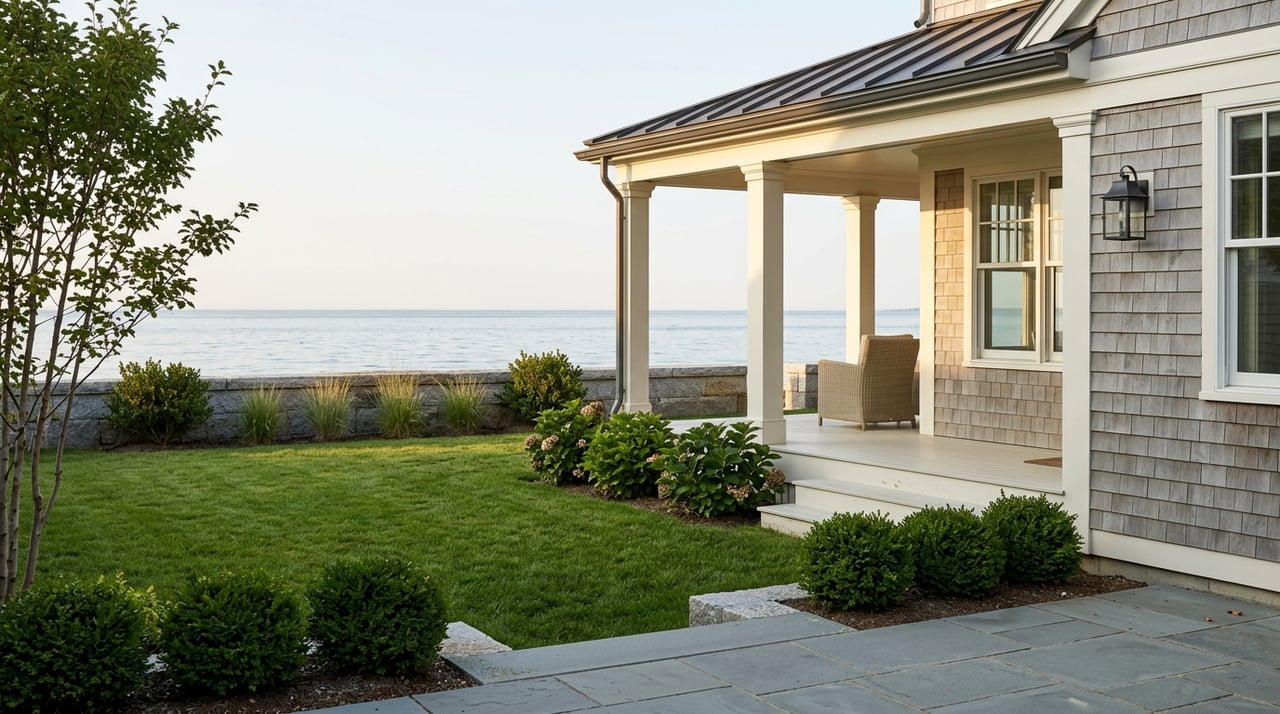
Harbor Road and nearby waterfront parcels sit in Southport’s top premium tier. These homes stand out for water views, harbor access, and their place within the village’s historic setting.
If your priority is a coastal lifestyle feel, this part of Southport may rise to the top of your list. In exchange, you should expect higher pricing and more due diligence around flood exposure, site conditions, and any future exterior work.
Inland Southport Pockets
Some buyers want a Southport address without focusing on the village core. Inland areas around High Meadow, Sherwood, Mill Hill, and Hulls Farm are often considered together as a practical market grouping.
These locations generally trade some walkability for larger lots and, in many cases, more house for the money. If you want more land, newer construction opportunities, or a different layout than many village homes offer, these pockets are worth a close look.
What Homes Look Like In Southport
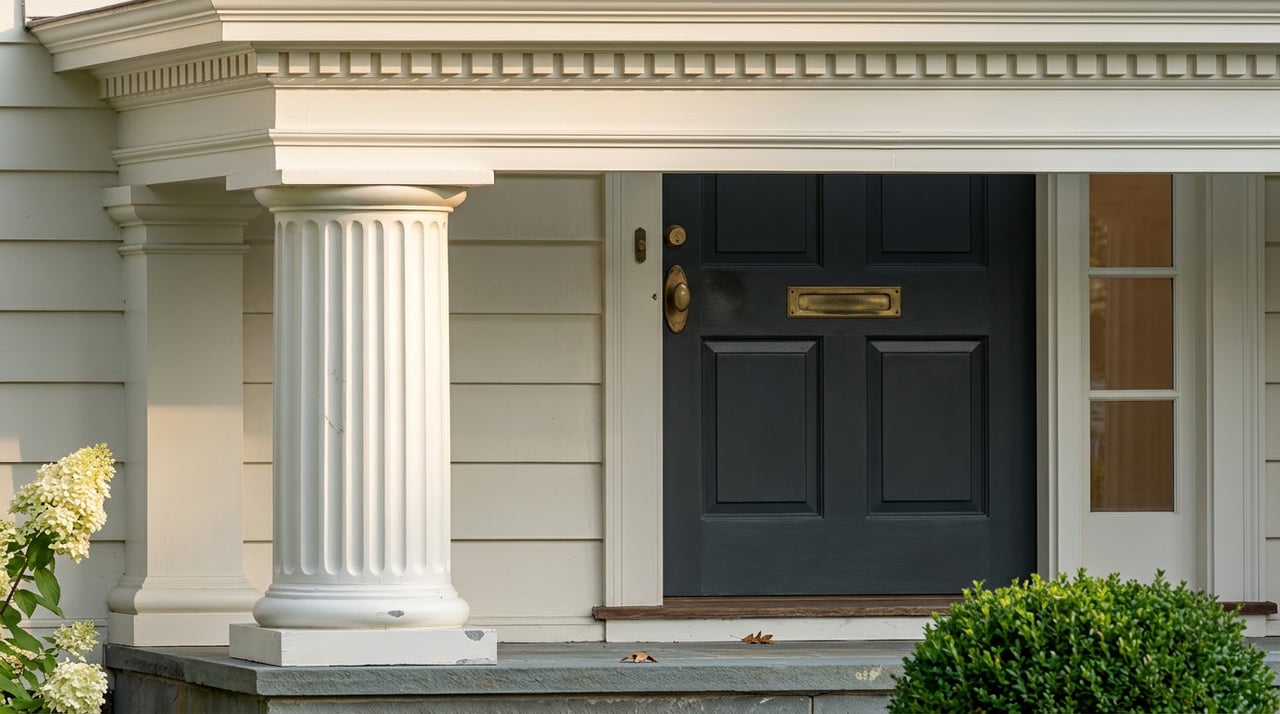
Southport’s housing stock is unusually varied for a compact village. Fairfield’s handbook points to significant examples from the early, middle, and late 18th century, major 19th-century styles, and later Colonial Revival, Cape Cod, and contemporary homes.
Greek Revival is considered the most important style in the district. Spruce Street also adds Italianate, Gothic Revival, Queen Anne, and Federal Revival homes to the mix.
That variety matters when you are house hunting. Two homes with similar square footage can feel very different in layout, upkeep, and future project needs depending on the age, style, and level of renovation.
Southport Price Ranges To Expect
Southport is a high-value market, but the range is wide depending on exact location and property type. Looking at current and recent market examples helps set realistic expectations.
Village Core Pricing
Recent listing examples suggest many smaller or attached village homes fall roughly in the mid-$1 million to mid-$2 million range. Examples in the current market include 26 Spruce Street at $1.495 million, 28 Center Street at $2.495 million, and 127 Spruce Street Unit 127 at $1.799 million.
For buyers, that means entry into the village core may still come at a premium even when the home is not waterfront. Historic setting, walkability, and limited supply all support pricing here.
Harbor Premium Pricing
Harbor-adjacent homes can move into a much higher band. Current and recent examples include 406 Harbor Road at $3.85 million, 1060 Harbor Road sold at $5.551 million, and 457 Harbor Road sold at $5.8375 million with a deep-water dock and boathouse.
Those examples point to a rough $4 million to $6 million-plus range for waterfront or strong harbor-view homes, depending on location, condition, and water access. If the harbor is your priority, it is smart to define early whether you want views, direct access, or full boating features, because each can affect price differently.
Inland Southport Pricing
Inland Southport can still cover a broad spectrum. Examples include 211 High Meadow Road at $1.199 million on 1.04 acres, 161 Sherwood Drive at $2.275 million on 1.52 acres, and 688 Hulls Farm Road new construction at $8.696 million on 2 acres.
That range shows how much variety exists outside the village core. You may find acre-plus lots at lower price points than prime harbor properties, but you can also find ultra-luxury new construction at the top end.
Market Snapshot
As a broad snapshot, Realtor.com showed 22 matching Southport properties, while Redfin’s May 2026 data placed Southport’s median sale price across all home types at $1,189,288. For buyers, limited active inventory can make preparation especially important.
What To Watch Before You Buy
Historic District Rules
If you are considering a home within the historic district, exterior changes may require review. Fairfield’s Historic District Commission handbook says exterior changes, reroofing, alterations, hardscape, lighting, and demolition can require a Certificate of Appropriateness before a permit is issued.
Only the property owner can apply, and buyers should not assume approval for future plans. If you are buying with renovation ideas in mind, it is wise to understand these requirements before you commit.
Older Home Inspections
Many Southport homes were built long before modern building standards. Older homes can bring the usual age-related issues, including outdated systems, deferred maintenance, and materials that need closer review.
Homes built before 1978 are more likely to contain lead-based paint, and older buildings can also contain asbestos in materials such as floor and ceiling tiles, pipe wrap, and insulation. Connecticut’s health department also notes that homes built before 1978 may contain lead-based paint.
This does not mean you should avoid older homes. It means you should plan for thorough inspections and ask the right questions about condition, upgrades, and any past remediation.
Flood Risk And Coastal Conditions
If you are focused on harbor-adjacent property, check flood risk early. FEMA’s Map Service Center is the official source for flood-hazard information, and Fairfield’s coastal plan specifically calls out coastal flooding, erosion, wind hazards, sea-level rise, and construction standards for Special Flood Hazard Areas and Coastal High Hazard Areas.
For coastal buyers, this step is essential. It can affect insurance planning, future improvements, and your comfort level with the property over time.
Southport Vs. Fairfield And Westport
Southport is part of Fairfield, so it helps to compare the village with the surrounding town and nearby Westport. Each offers a different scale and feel.
Fairfield is the broader town context, shaped in part by maritime trade and the history of Southport Harbor. It also offers a wider range of settings and public beach-related facilities, including Jennings Beach and Penfield Pavilion along Fairfield Beach Road.
Westport is a larger-scale comparison point with a broader downtown and cultural scene, access to I-95 and the Merritt Parkway, two Metro-North stations, and four town beaches. The town also notes that its single-family homes are primarily on 1- and 2-acre lot properties.
In practical terms, Southport is the smallest and most historic of the three. If you want a quieter harbor-village setting with a preserved streetscape, Southport may feel especially compelling. If you want more variety in setting or a broader amenity mix, you may also compare it with Fairfield and Westport as part of your search.
How To Narrow Your Search
If you are serious about buying in Southport, clarity matters. Start by deciding which trade-offs you are most comfortable making.
Ask yourself:
- Do you want walkability to the village most of all?
- Is a harbor view or water access worth a much higher price point?
- Would you rather have more land and interior space, even if it means less of a village feel?
- Are you comfortable with the upkeep and review process that can come with older or historic homes?
- Do you want a turnkey house, or are you open to projects?
In a market with limited inventory, having those answers early can help you move more decisively when the right property appears.
Buying In Southport With A Local Strategy
Southport is not a one-note market. The difference between a historic village home, a harbor-facing property, and an inland Southport house can be significant in both lifestyle and long-term costs.
That is why local guidance matters. A thoughtful buying strategy should look beyond price and square footage to include district rules, home age, site conditions, and how each micro-area aligns with the way you actually want to live.
If you are exploring homes in Southport or comparing it with other Fairfield County options, working with an advisor who understands the local nuances can make the process more efficient and a lot less stressful. When you are ready, connect with Jennifer Twombly for thoughtful buyer guidance in Southport and across lower Fairfield County.
FAQs
What is the difference between Southport village homes and inland Southport homes?
- Village homes are typically closer to the historic core and may offer more walkability, while inland Southport homes often trade that for larger lots and sometimes more house for the money.
What price range should you expect when buying a home in Southport, CT?
- Current examples suggest village-core homes often fall from the mid-$1 million to mid-$2 million range, harbor-adjacent homes can reach roughly $4 million to $6 million-plus, and inland homes range from around the low $1 millions to ultra-luxury new construction well above $8 million.
What should buyers know about Southport historic district rules?
- Exterior work such as alterations, reroofing, hardscape, lighting, and demolition may require a Certificate of Appropriateness before a permit is issued, and buyers should not assume future changes will be approved.
What inspection concerns matter for older homes in Southport?
- Older homes may need closer review for age-related issues, and homes built before 1978 are more likely to contain lead-based paint. Older buildings can also contain asbestos in some materials.
What should buyers check before purchasing a harbor-adjacent home in Southport?
- Buyers should review flood-hazard information early and understand coastal risks such as flooding, erosion, wind exposure, sea-level rise, and any building standards that may apply to the site.
How does Southport compare with Fairfield and Westport for homebuyers?
- Southport is generally the smallest and most historic setting, Fairfield offers a broader town context and wider variety, and Westport provides a larger-scale mix of downtown, transportation access, beaches, and larger-lot housing.