Why does a village that changes its storefronts every few years still look like it hasn't changed at all?
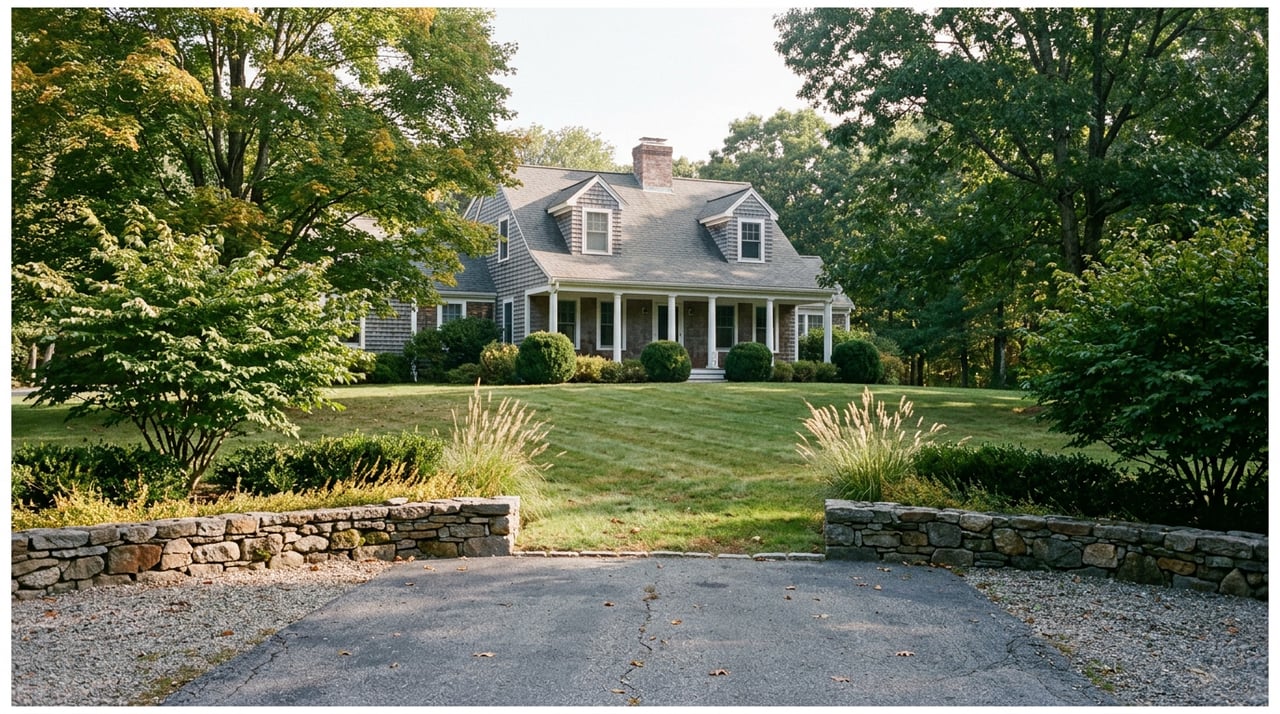
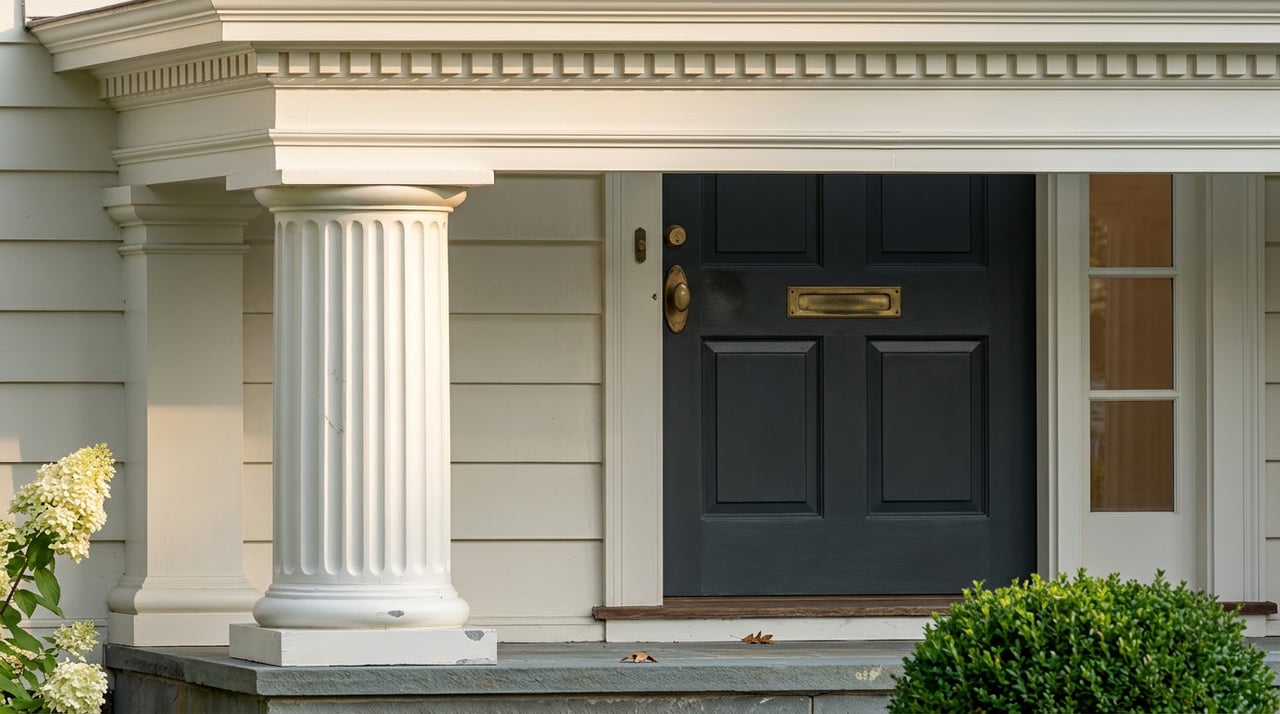
Walk Pequot Avenue this month and the answer becomes obvious within a block. The white clapboard, the black shutters, the brick sidewalks worn smooth by two centuries of foot traffic all look exactly the way they looked last summer, and the summer before that. Southport's historic district makes sure of it. Any exterior change visible from the street, a new sign, a repainted door, a different awning, has to clear the Fairfield Historic District Commission first, and that review process moves slowly by design. What it protects is the shell. What it says nothing about is who's operating inside that shell, and this year, more of that changed on this one stretch of road than in any recent stretch anyone I talk to can remember.
The Market That Outlasted Everything, Until It Didn't
Spic & Span Market held its spot in the village center from 1928 until recently, long enough to become one of those places nobody thinks to mention because it always feels like it was always there. That kind of longevity is rare even by Southport standards, where turnover in the historic core has historically been slow. This fall, the village is set to welcome its replacement in kind: the Southport General Store, which will bring Rose Hill Kitchen and Driftwood in under one roof.
That detail matters more than it sounds like it should. Southport isn't getting a boutique or a wine bar in that slot. It's getting another general store, the same category of business that occupied the space for nearly a century, just with a new name and a new operator. That's the pattern worth noticing across the whole street this year: when something closes here, what replaces it tends to do the same job the last thing did, not a different one. A market becomes a market. A restaurant becomes a restaurant. The facade rules force continuity on the outside, and something closer to habit seems to be forcing it on the inside too.
Here's a plain snapshot of where things stood as of this month, useful if you're planning an evening out or wondering why a favorite spot looked dark last time you walked by:
- Blackstones Grille Southport closed for renovations earlier in the season and reopened in July, back to full steakhouse service.
- The Horseshoe, known to generations of residents simply as "The Shoe," has operated continuously at 355 Pequot Avenue since 1934, under Fraser family ownership since 1957. No change here. That's the point.
- G Bakery keeps its sourdough coming out of the oven daily, part of a small family-owned chain with locations across Connecticut.
- Artisan, adjacent to the Delamar Southport, continues its farm to table program under chef and partner Frederic Kieffer, with dining in the tavern, the main room, and the garden.
- Southport General Store, with Rose Hill Kitchen and Driftwood inside it, is set to open this fall.
The One Place That Hasn't Moved At All
If you want the counterexample to all this turnover, it's The Shoe. Pequot Library recently ran a Special Collections talk built entirely around the place, pulling historic photographs to go with the stories, and the timeline they told is almost absurdly stable for a small-town restaurant: open since 1934, run by the same family since 1957. Three generations of continuity on a street where the market next door just changed hands for the first time in almost a hundred years.
That contrast is the clearest evidence for the thesis here. Southport isn't a museum where nothing moves, and it isn't a district in constant flux either. It's a place where the architecture holds steady by regulation and the businesses inside hold steady or turn over almost at random, with no visible correlation between the two. The Shoe's stability isn't protected by any ordinance. It's just what happened to happen.
The Library Is Running Two Calendars at Once
Pequot Library tends to get filed under "civic institution" in most people's mental map of the village, which undersells what's actually happening there this year. The library just closed out its 65th annual Summer Book Sale, five days on the Great Lawn, in the parking lot, and inside the auditorium and reading room, with more than 100,000 items across roughly thirty categories. Trinity Episcopal Church ran its usual Park for Food program alongside it, trading free parking for canned goods and cash donations bound for food pantries in Bridgeport and Fairfield. That's tradition running on rails it has run on for six and a half decades.
At the same time, the library launched something with no track record at all. Pequot Summer Stage brought the Paul Taylor Dance Company to the Great Lawn for a benefit performance under the stars, a program the library is explicitly calling the start of a new tradition rather than a one-off. So the library's actual posture this year is both things simultaneously: guarding a 65-year institution and building a brand new one on the same lawn, in the same season. That's not a contradiction. It's what a place with real institutional memory does when it wants to stay current without pretending its history doesn't matter.
What's Coming Before the Leaves Turn
The village's autumn centerpiece hasn't happened yet this year, but it's worth having on the calendar now. Rooms with a View, the designer showhouse that transforms Southport Congregational Church into a dozen curated vignettes, marks its 31st year in 2026. Albert Hadley founded it in 1995, and it still supports nineteen local and regional charities every fall. It's the rare Southport tradition that's older than most of the storefronts currently operating around it, which puts it in the same category as The Shoe: something that predates this year's wave of turnover and will very likely outlast it too.
Between the General Store's fall opening and Rooms with a View, the village's next few months carry both halves of what makes Southport function the way it does. One is brand new. The other has been running since before most current residents moved here. Neither would be possible without the other. The historic district's slow-moving review process is exactly what keeps a 31-year-old charity showhouse and a first-year dance series sharing the same three blocks without either one feeling out of place.
Why the Facades Never Look Different
None of this turnover shows up if you're only looking at the street from the outside, which is precisely why it's easy to assume Southport doesn't change. The Historic District Commission reviews are about paint colors and sign dimensions and roofline changes visible from Pequot Avenue and Harbor Road, not about who's running the register or what's on the menu. If you've ever wondered how that review process actually works, or what counts as "visible from a public way," it's worth understanding before you plan any exterior work of your own here.
What this year makes clear is that the stability everyone associates with Southport is real, but it's architectural, not commercial. The buildings hold their shape. The businesses inside them come and go on their own schedule, sometimes lasting three generations, sometimes closing after ninety-six years and getting replaced by something doing the exact same job. Both things are true at once, and that tension, more than any single opening or closing, is what actually defines the village right now.
If you're weighing a move into Southport, or you already live here and are curious what a place like this is actually worth given how tightly the historic district controls what changes and what doesn't, Jennifer Twombly has spent her career inside these streets and can walk you through it. Request a home valuation and get a read on your property that accounts for what makes this village genuinely different, not just what a standard comp sheet shows.