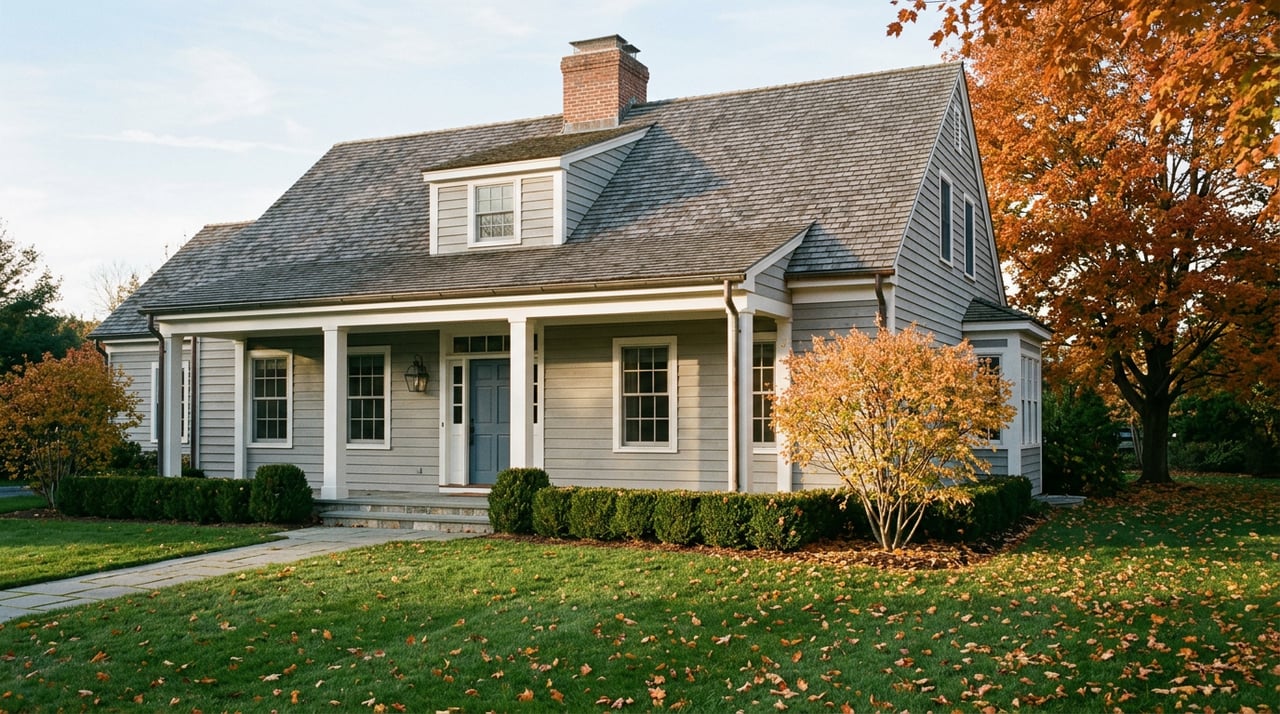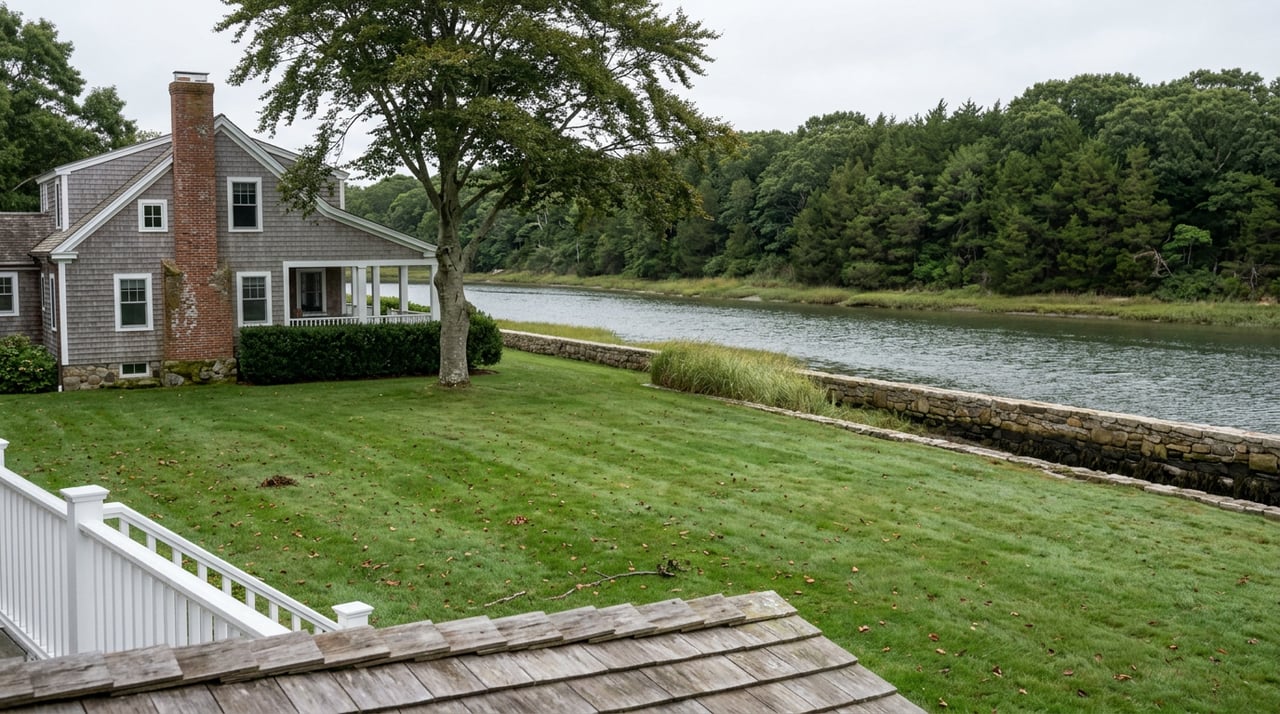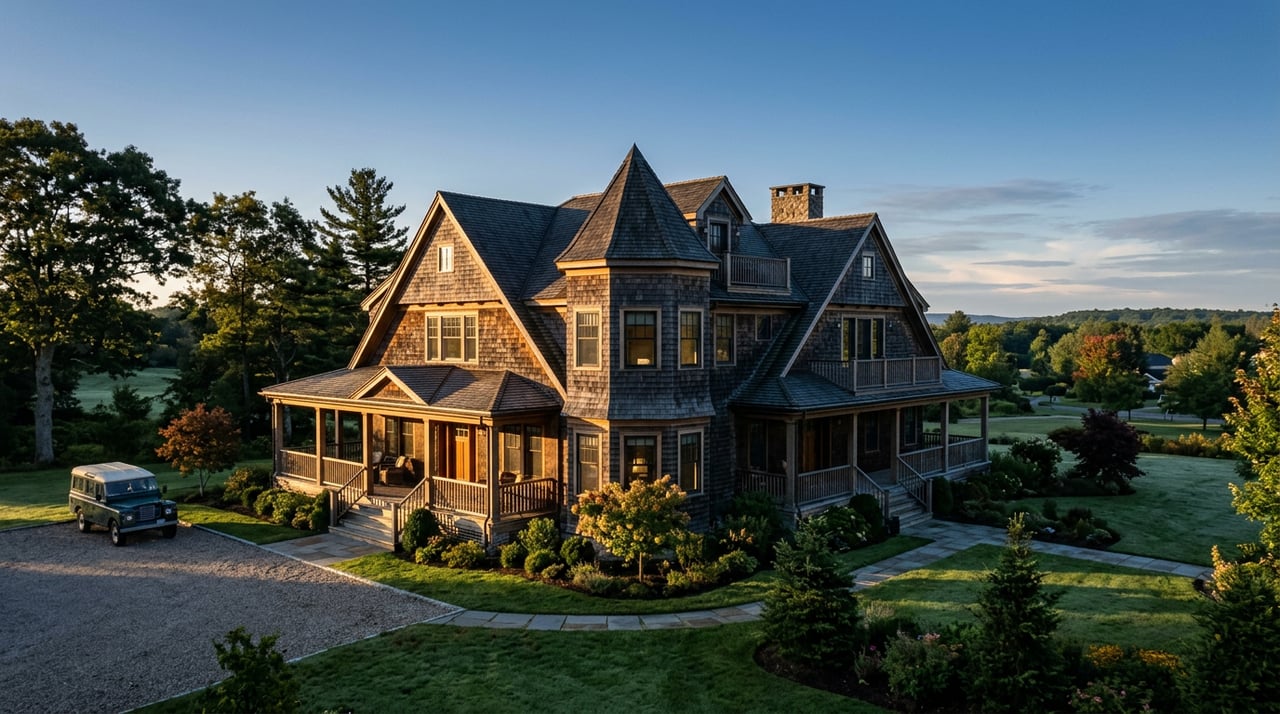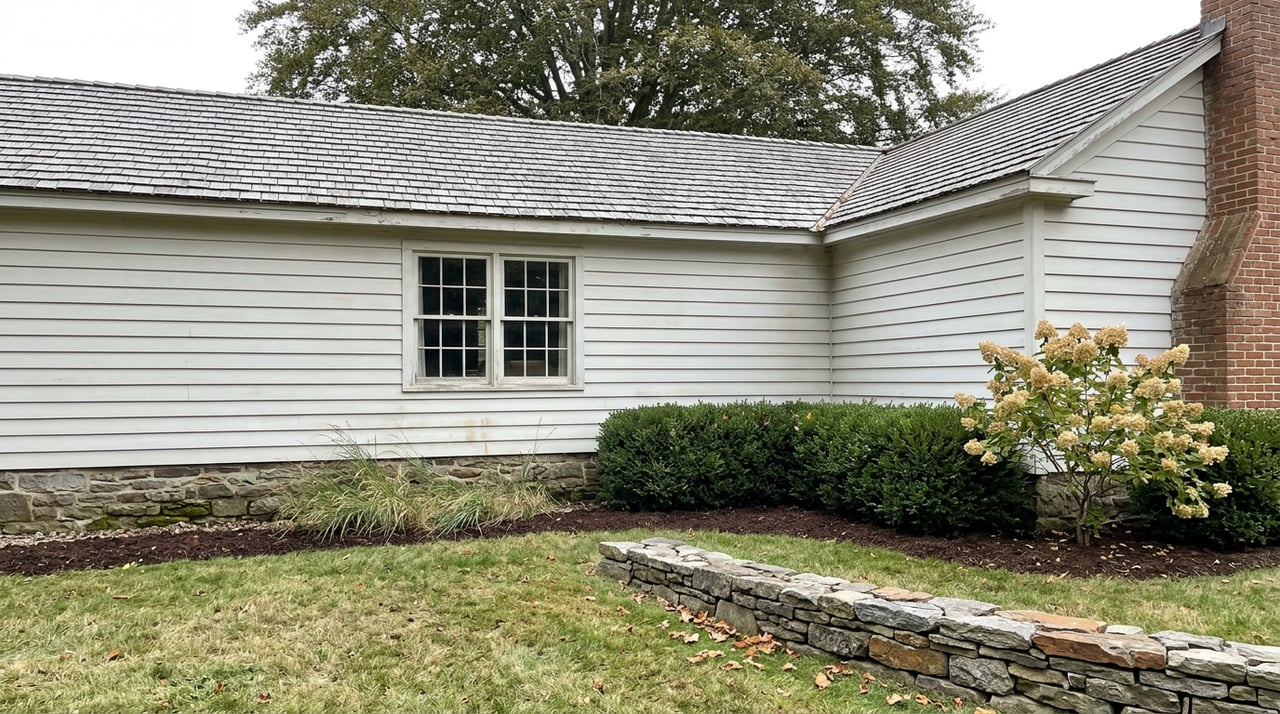
Trying to choose between Weston and Westport? If you are comparing these two Fairfield County towns, the decision often comes down to a simple tradeoff: more land and privacy or more access and variety. Both markets are active and desirable, but they feel very different once you look at lot sizes, pricing, taxes, and day-to-day lifestyle. Let’s break down how their home markets compare so you can focus on the town that fits the way you want to live.
Weston vs Westport at a Glance
Weston is a lower-density residential town known for larger lots, open space, and a more rural feel. The town describes itself as a residential community with minimal commercial development, and its landscape includes forests, meadows, wetlands, and stone walls. It is also highly owner-occupied, with 96.9% of homes occupied by owners.
Westport offers a different experience. It is also an upscale Fairfield County market, but it has more housing variety, a more developed town-center environment, and stronger transit access. Westport is 88.8% owner-occupied, which points to a broader housing mix than Weston.
Lot Size and Setting
For many buyers, the clearest difference starts with the land itself. Weston’s two-acre residential zoning requires a minimum lot area of two acres and at least 170 feet of frontage. That helps create the more wooded, private, and spread-out feel that many buyers notice right away.
Westport is less uniform. In some areas, single-family homes sit on one- and two-acre lots, while other locations are closer to downtown, transit, or commercial areas. That gives you more options if you want to balance yard space with convenience.
Why Weston Feels More Private
Weston’s zoning and land-use pattern shape the market in a very direct way. Homes are generally more separated from each other, and the town’s overall character leans strongly residential. If you picture a home surrounded by trees, open space, and a quieter setting, Weston often matches that image.
That does not mean every property feels isolated, but privacy is a major part of the town’s appeal. Buyers who want room to spread out often find Weston easier to align with their goals.
Why Westport Offers More Variety
Westport gives you a broader range of settings. You can find larger-lot homes in some neighborhoods, but you can also find homes closer to the train, major roads, and the town center. That mix creates more choice for buyers who care about convenience as much as lot size.
In practical terms, Westport can fit more than one lifestyle. Some buyers want a traditional residential setting, while others want easier access to commuting routes and everyday services.
Home Prices and Inventory
The latest market snapshot shows a notable pricing gap between the two towns. As of April 2026, Weston’s median listing price was $1.462 million, while Westport’s median listing price was $2.897 million. That makes Westport the more expensive market by a wide margin on the asking side.
Inventory also looks very different. Weston had 32 homes for sale, compared with 114 in Westport. If you are hoping for more options at any given time, Westport currently offers a much larger pool of listings.
| Market Metric | Weston | Westport |
|---|---|---|
| Median listing price | $1.462M | $2.897M |
| Year-over-year change | +4.43% | -3.39% |
| Homes for sale | 32 | 114 |
| Median days on market | 36 | 38 |
What the Numbers Suggest
Weston appears smaller and tighter, with less inventory and somewhat firmer asking-price trends. Westport has a larger and more expensive market, but the recent numbers suggest a bit more softness in list pricing. Neither town looks slow, but the buyer experience can feel different because the scale of the markets is so different.
Days on market are fairly similar, with Weston at 36 days and Westport at 38 days. That tells you both towns remain active, even though the pricing and inventory picture is not the same.
Negotiating Conditions
Another useful comparison is how homes are selling relative to asking price. In the same market snapshot, Weston homes sold for about 101% of asking on average, while Westport homes sold for about 98% of asking. That does not define every transaction, but it gives you a sense of current pricing pressure.
For buyers, Weston may require sharper positioning when the right home comes up because inventory is limited and pricing has held firm relative to ask. In Westport, the larger number of listings may create a little more negotiating room in some situations.
For sellers, the takeaway is just as important. Strategy matters in both towns, but pricing discipline and presentation should reflect the specific market you are entering, not just the neighboring town’s reputation.
Property Taxes and Ownership Costs
Purchase price is only part of the cost picture. In Connecticut, real estate is assessed at 70% of fair market value. Weston’s current mill rate is 23.90, while Westport’s fiscal year 2025-2026 mill rate is 18.86.
Using those rates, a home with a $1 million market value would imply roughly $16,730 per year in Weston and $13,202 per year in Westport before exemptions. That is a difference of about $3,528 annually, which can meaningfully affect your long-term budget.
Why Taxes Can Shift the Comparison
At first glance, Westport’s higher home prices may make it seem clearly more expensive. But Weston’s higher mill rate narrows that gap in day-to-day ownership costs. Depending on the price points you are comparing, taxes can change the equation more than buyers expect.
This is one reason it helps to compare homes based on total monthly carrying costs, not just purchase price. A lower price in Weston does not always translate into a lower ongoing cost once taxes are factored in.
Sewer, Well, and Septic Considerations
Ownership costs also vary in less obvious ways. In Westport, tax bills can include sanitary sewer use charges in some locations. In Weston, households largely rely on wells and septic systems instead.
That means your planning should go beyond mortgage and taxes. In Westport, you may need to review whether sewer-related charges apply to a property. In Weston, you should be prepared for the maintenance responsibilities that come with private well and septic systems.
Commute and Daily Convenience
Your daily routine may be the deciding factor between these towns. Weston is more car-dependent, and the town’s planning documents state there is no bus service in town and no taxi service to a bus stop. Most residents drive to work.
Westport offers much stronger transportation access. The town has access to I-95, U.S. 1, the Merritt Parkway, two Metro-North stations, and a commuter shuttle. If rail access or easier highway connections matter to you, Westport has the edge.
Weston for Space and Quiet
Weston often appeals to buyers who want a quieter residential environment and do not mind relying more heavily on a car. If your priority is privacy, larger lots, and a setting shaped by open land and lower density, Weston stands out.
That lifestyle can feel more removed from the pace of surrounding towns. For some buyers, that is exactly the point.
Westport for Access and Activity
Westport usually works well for buyers who want stronger connections to transit, major roads, and town-center activity. It also offers a broader housing mix and more homes on the market at a given time. If convenience and flexibility are high on your list, Westport may give you more ways to match your preferences.
That does not mean giving up on quality or space. It means having more settings to choose from within one market.
Which Market May Fit You Best?
If you are deciding between Weston and Westport, the best choice often comes down to how you want your home to function in everyday life. Weston tends to suit buyers who value privacy, larger lots, and a more rural residential setting. Westport tends to suit buyers who want more inventory, stronger commuting access, and a wider range of home settings.
From a market standpoint, Weston is smaller, less expensive on the asking side, and currently firmer relative to list price. Westport is larger, more expensive, and offers more options. Neither is better across the board. The right fit depends on your budget, your routine, and the type of setting that feels most like home.
If you are weighing Weston against Westport, having local guidance can make the decision much clearer. Jennifer Twombly can help you compare neighborhoods, evaluate carrying costs, and identify the opportunities that best match your goals.
FAQs
How do Weston and Westport home prices compare?
- As of April 2026, Weston’s median listing price was $1.462 million, while Westport’s median listing price was $2.897 million.
How do Weston and Westport inventory levels compare?
- Weston had 32 homes for sale in the latest snapshot, while Westport had 114, giving buyers more available options in Westport.
How do Weston and Westport lot sizes differ?
- Weston’s residential zoning includes a two-acre minimum lot area in its two-acre district, while Westport includes one-acre and two-acre single-family settings along with more transit- and town-center-adjacent housing choices.
How do Weston and Westport property taxes compare?
- With Connecticut property assessed at 70% of market value, a $1 million home would imply about $16,730 per year in Weston and about $13,202 per year in Westport before exemptions, based on current mill rates.
How do Weston and Westport commuting options compare?
- Weston is more car-dependent, while Westport offers access to I-95, U.S. 1, the Merritt Parkway, two Metro-North stations, and a commuter shuttle.
What ownership cost differences should buyers know in Weston and Westport?
- In some Westport locations, tax bills can include sanitary sewer use charges, while Weston buyers should plan for private well and septic maintenance.