If you commute to New York City or Stamford, you already know the trade-off: the easiest train ride is not always the place you actually want to come home to. If you are considering Wilton, the real question is not just how long the trip takes, but whether the town’s mix of rail access, privacy, parking, and daily lifestyle fits the way you live. This guide will help you weigh the commute, compare station areas, and understand where Wilton shines for busy professionals. Let’s dive in.
Wilton’s commuter appeal
Wilton is clearly built with commuters in mind. The town has two Metro-North stations, and it highlights easy access to the Merritt Parkway and Route 95, along with commutability to major employment centers. It also notes that both train stations offer free parking, which can make a meaningful difference in your weekday routine.
That free parking point stands out in Fairfield County. For many buyers, a smoother morning starts before the train even arrives. If you value being able to drive to the station and park without adding another layer of hassle, Wilton checks an important box.
What the NYC commute looks like
For New York City riders, Wilton sits on the Danbury Branch of Metro-North. Based on the current timetable effective March 29, 2026, one representative weekday inbound trip leaves Wilton at 8:06 a.m., reaches South Norwalk at 8:26 a.m., Stamford at 8:51 a.m., and Grand Central at 9:48 a.m. That is about 1 hour and 42 minutes end to end.
Metro-North also notes that peak tickets are required on trains arriving at Grand Central between 6 a.m. and 10 a.m. and departing Grand Central between 6 a.m. and 9 a.m. and 4 p.m. and 8 p.m. If your schedule lines up with those windows, that is part of the cost and planning picture.
The key thing to understand is that Wilton is not the most direct Manhattan rail option in lower Fairfield County. Because it is on the Danbury Branch, the trip pattern is typically less direct than towns on the New Haven Line or New Canaan Branch. For some buyers, that is a drawback. For others, it is a fair trade for more land, more privacy, and easier station parking.
How Wilton works for Stamford commuters
If your office is in Stamford, Wilton can still make sense, but the route matters. The same timetable shows a Wilton-to-Stamford rail trip of about 45 minutes on that sample connection, and it requires a change at South Norwalk.
That means Stamford commuters should think carefully about how they want to travel. If you prefer a pure one-seat rail ride, Wilton may feel less convenient than some nearby alternatives. If you are comfortable with a connection and want a town that offers a quieter residential setting, Wilton can still be a strong option.
Why Wilton fits some commuters better than others
Wilton is often a better fit for commuters who care about the full picture, not just the shortest possible trip. The town’s appeal is tied to manageable rail access, free parking, open space, and a more private residential feel. If that balance matters more to you than a direct Manhattan line, Wilton becomes much more compelling.
On the other hand, if your top priority is minimizing train complexity, towns with more direct service patterns may deserve a closer look. Wilton’s value is not speed alone. Its value is the lifestyle you get around the commute.
Best areas for train access
Wilton Center
Wilton Center is the clearest train-oriented part of town. The town’s overlay map includes Danbury Road East, Danbury Road West, and a transit-oriented district in the Wilton Center corridor, and the historic district list includes the Wilton Railroad Station and the Wilton Center National Register district.
In practical terms, that makes Wilton Center the most obvious starting point if you want easier station access or more of a town-center environment. If your weekday routine depends on shaving minutes off the drive to the train, this area deserves attention.
Cannondale
Cannondale is Wilton’s other station-centered pocket. The area is identified as a National Register district, and the Cannondale station offers free, first-come, first-served parking.
For buyers who want a station-based search but may prefer a different setting than Wilton Center, Cannondale is worth exploring. It gives you another rail-access option without leaving town.
Areas farther from the stations
Homes farther from the station areas can offer more space and a quieter setting, but there is usually a trade-off. You may gain more house and more privacy, while adding drive time to your morning and evening routine.
That trade-off is important to think through before you start touring. A home that feels ideal on a Sunday afternoon can feel very different when you are trying to make a train on a Tuesday morning.
Price differences by area
Wilton’s housing market can vary meaningfully by submarket. Recent snapshots showed Wilton Center with a median sale price of about $1.43 million over the last three months, while South Wilton was about $900,000.
That spread matters for commuters. In general, homes closer to the strongest town-center and station-access patterns may command higher prices, while areas farther out may offer a different value equation. If you are comparing convenience against budget, Wilton gives you more than one lane to consider.
How Wilton compares on price
Wilton sits in an interesting position within Fairfield County. Current market data place Wilton’s average home value at about $1.25 million, compared with about $1.99 million in Westport, about $2.18 million in New Canaan, and about $968,000 in Fairfield.
That places Wilton above Fairfield and below Westport and New Canaan. For buyers coming from the New York metro area, that can translate into a useful middle ground: a town with established appeal and commuter function, but not at the same pricing level as some nearby higher-cost markets.
What kinds of homes you’ll find
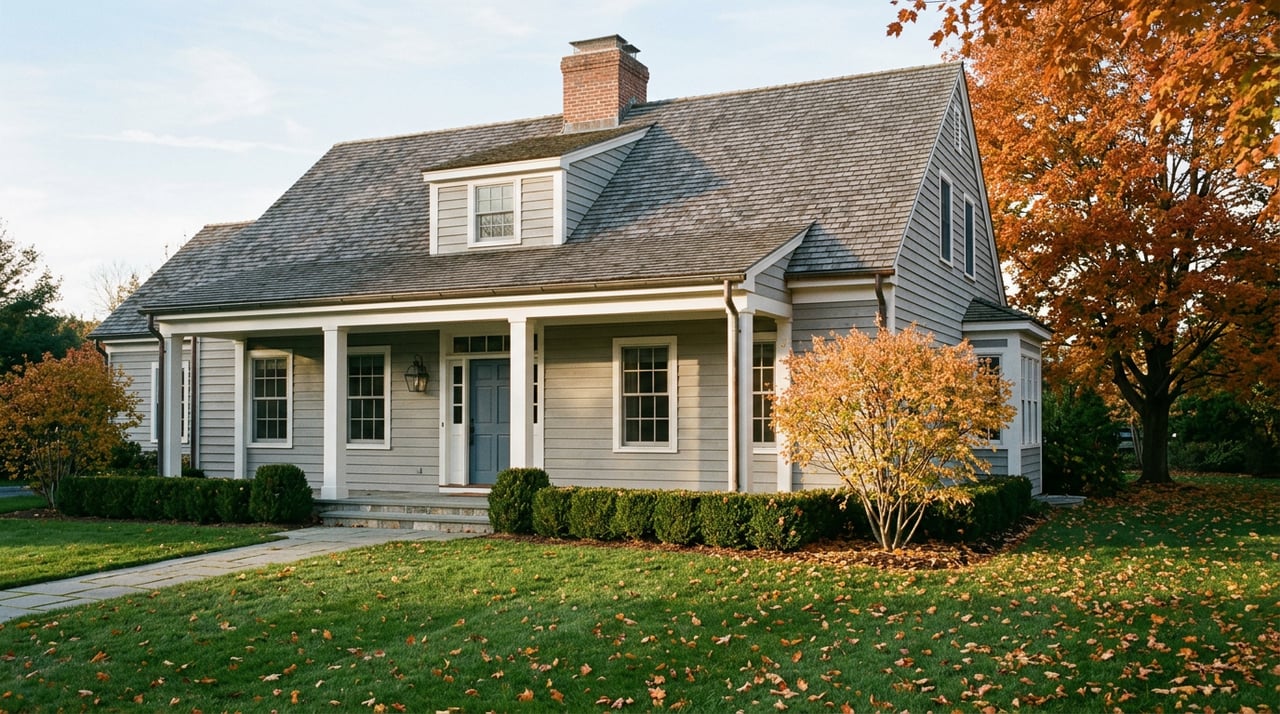
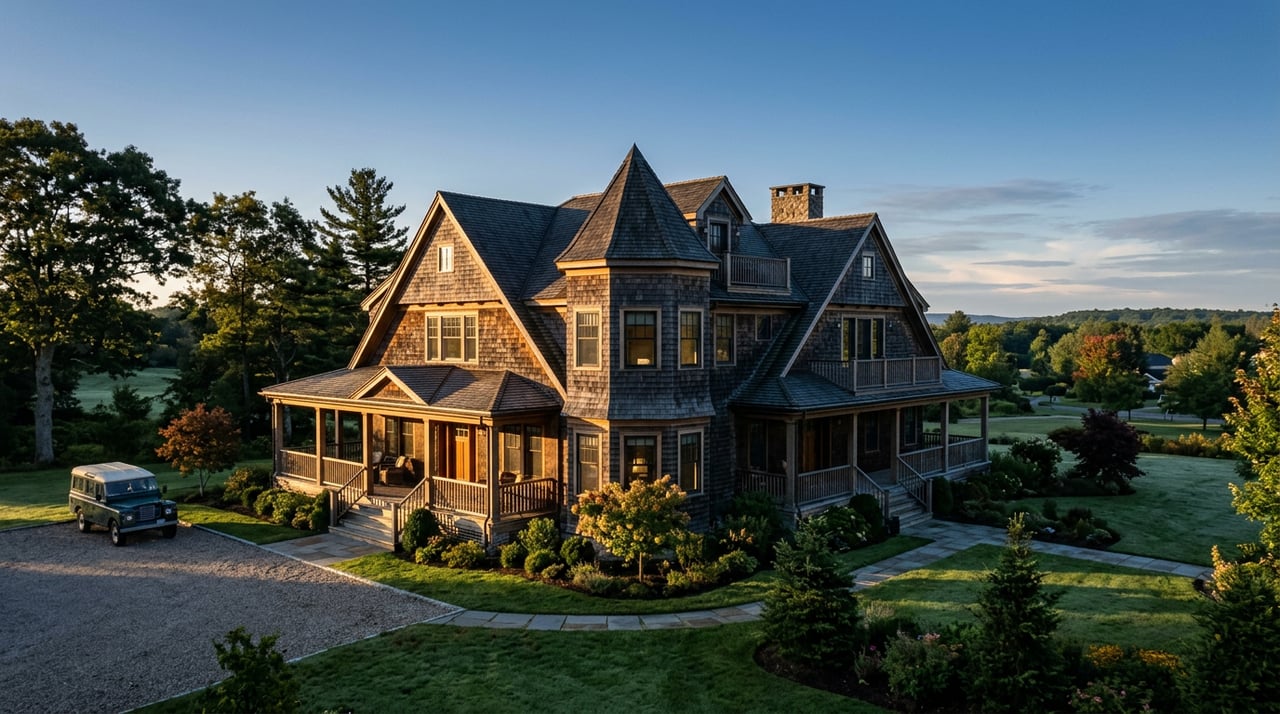
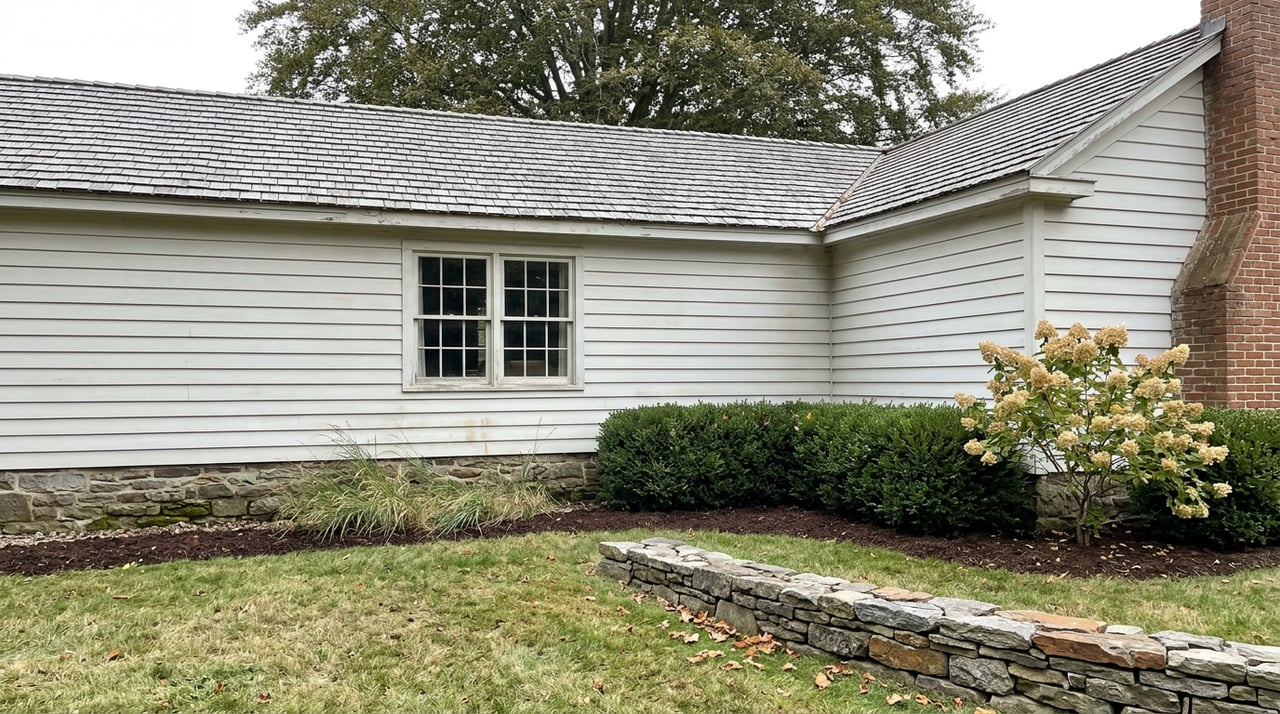
Wilton offers a mix of antique New England homes and 20th-century suburban properties. The town’s history points to colonial roots, and its historic-house surveys identify many of the town’s older significant homes. In the broader western Connecticut tradition, common forms include Cape Cod, saltbox, New England farmhouse, and mid-century ranch styles.
That variety can be especially appealing if you want options. Some buyers want a classic Connecticut look with period character, while others want a more straightforward suburban layout. Wilton gives you both, depending on where and how you search.
Lifestyle after the commute
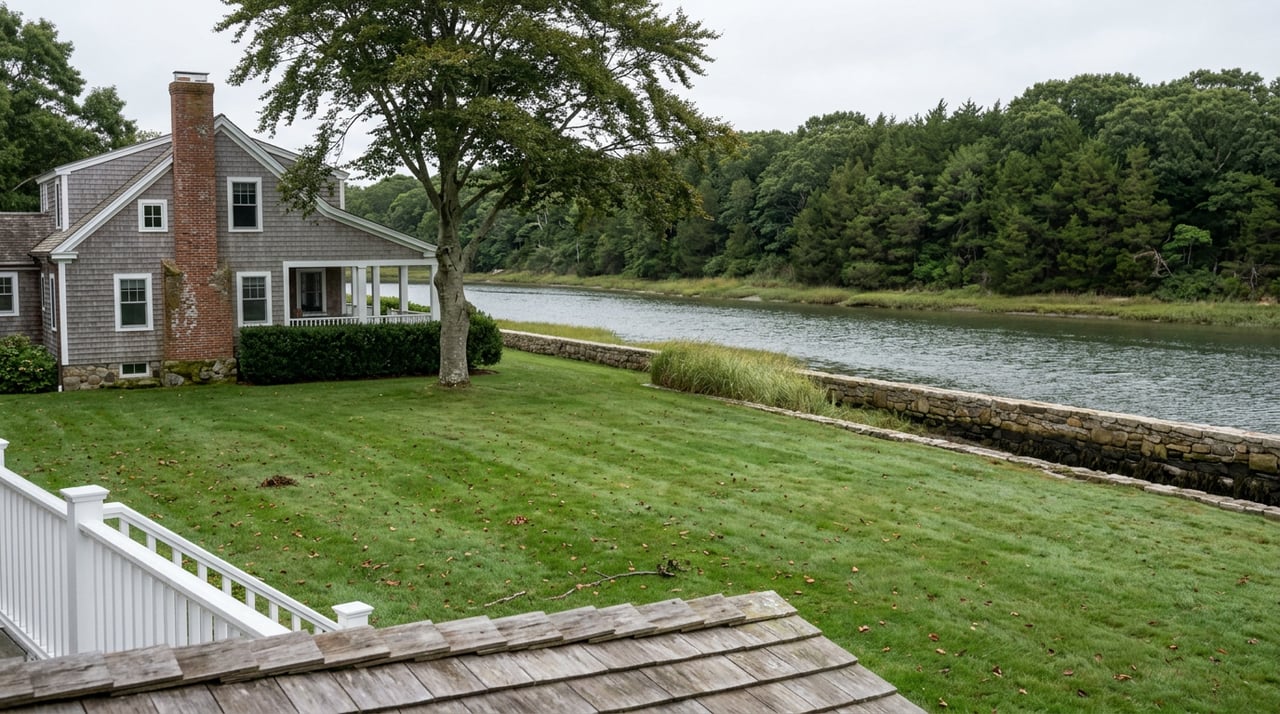
For many buyers, Wilton’s biggest strength is what happens after the workday ends. The town highlights restaurants, retail, theater, outdoor activities, and its two train stations with free parking. Its trail and open-space resources include the Norwalk River Valley Trail, Bradley Park, Town Forest, Weir Farm, and Woodcock Nature Center.
Additional local attractions often associated with Wilton include Wilton Library, Ambler Farm, Stonebridge Wild Fowl Sanctuary, Little Pub, and Baldanza. Together, these help create a daily rhythm that feels fuller than simply driving to a station and back.
That matters if you are comparing Wilton with towns that can feel more purely commute-driven. Wilton offers a village-style experience with meaningful access to nature and local destinations. If you want your home base to feel restorative, not just practical, that can be a deciding factor.
So, is Wilton a good fit?
Wilton is a strong fit if you are comfortable with a less direct rail trip and you care just as much about parking, privacy, and lifestyle as you do about commute time. It is especially attractive if you want a Fairfield County town with two stations, free parking, a range of home styles, and easy access to open space.
It is a weaker fit if your main goal is the most direct possible train route into Manhattan. In that case, other towns may better match your priorities. But if you are looking for balance, and you want a town that supports both your workweek and your weekends, Wilton deserves a serious look.
If you are weighing Wilton against nearby Fairfield County towns, working with someone who knows the local trade-offs can save you time and help you focus on the right pockets from the start. For tailored guidance on Wilton and surrounding markets, connect with Jennifer Twombly.
FAQs
Is Wilton, CT good for New York City commuters?
- Wilton can be a good fit for New York City commuters who are comfortable with a Danbury Branch trip that is less direct than some nearby towns and who value free station parking, privacy, and lifestyle amenities.
How long is the train ride from Wilton, CT to Grand Central?
- A representative weekday inbound Metro-North trip in the current timetable takes about 1 hour and 42 minutes from Wilton to Grand Central.
Is Wilton, CT good for Stamford commuters?
- Wilton can work for Stamford commuters, but a representative rail trip is about 45 minutes and requires a change at South Norwalk.
What part of Wilton, CT is best for train commuters?
- Wilton Center is the clearest train-oriented area, and Cannondale is the other station-centered option for buyers who want easier access to Metro-North.
Are there homes near the train stations in Wilton, CT?
- Yes. Wilton Center and Cannondale are the two main station-focused areas, while homes farther from those pockets may offer more space but usually add drive time to the station.
Is Wilton, CT more affordable than Westport or New Canaan?
- Based on current market data in the research, Wilton’s average home value is below Westport and New Canaan, but above Fairfield.