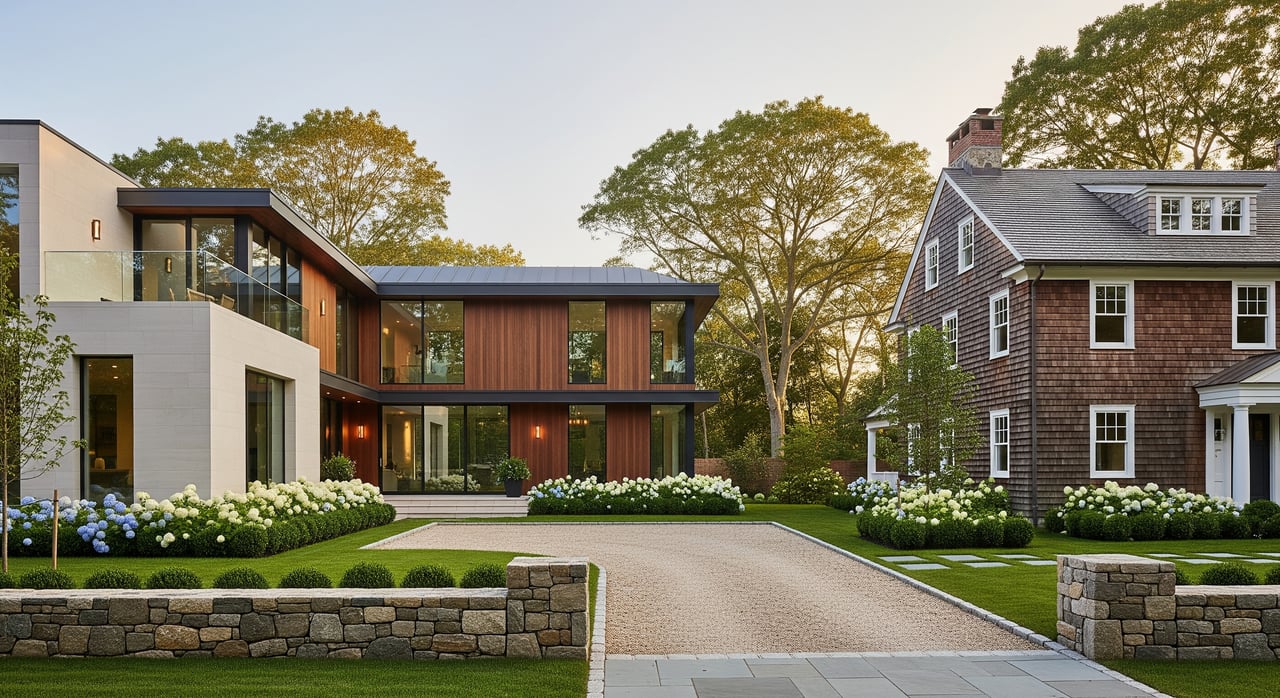
Thinking about buying in Weston but torn between a brand‑new build and an existing home? You are not alone. Weston’s large lots, wooded settings, and rural feel make the decision more nuanced than in a typical subdivision town. In this guide, you will see how the timelines, inspections, financing, warranties, and long‑term resale factors compare so you can move forward with clarity. Let’s dive in.
Weston market at a glance
Weston is a low‑density, high‑value town with mostly single‑family homes on generous lots. Large, master‑planned subdivisions are rare. Most new construction is either custom or small‑scale infill. That means fewer “cookie‑cutter” choices and more variation in style, size, and finishes across neighborhoods.
Many properties rely on private wells and on‑site septic systems. Natural gas is not available on every road, so some homes use oil or propane for heat. If you are eyeing any property or lot, confirm utility types and availability early. Well testing and septic evaluation are standard in local sales and in the permitting process.
New homes must meet current Connecticut building and energy codes. In practical terms, you often get better insulation, windows, and HVAC efficiency than in older homes. State and utility programs may offer incentives for high‑efficiency equipment or heat pumps on new builds, which can improve comfort and operating costs.
Timeline: how fast can you move?
If you need to settle in quickly, an existing home has the advantage. From contract to close, most resale transactions finish in about 30 to 60 days, depending on your lender, inspections, and title work.
A custom new build typically takes longer. Plan on roughly 8 to 18 months from permit to completion. Wetlands, steep slopes, and complex site work can add time. Small speculative builds can be faster, while large custom projects tend to run longer. If your timeline is flexible and you want tailored finishes, the wait can be worth it.
Process and permits: what to expect
Buying a resale home focuses on due diligence. You will complete a general inspection, targeted specialty inspections, and municipal searches to confirm tax status, open permits, and code history. Sellers usually provide a Certificate of Occupancy for the existing structure and any permitted additions.
Building new involves more steps. Expect site plans, zoning and building permits, septic and well approvals, and possibly inland wetlands permits with erosion control plans. If a lot has wetlands overlays or steep grades, approvals can take longer. Verifying these constraints at the start helps you avoid costly changes later.
Financing differences and cash flow planning
Resale purchases usually use standard mortgage products, such as conventional, VA, or FHA, with a traditional appraisal based on comparable recent sales.
New construction commonly uses a construction‑to‑permanent loan or an interest‑only construction loan. You will make staged payments that align with the builder’s draw schedule, and the lender may require inspections at each draw. Be ready for a larger down payment, reserves for contingencies, and an appraisal tied to the projected completed value. Understanding the draw schedule and your monthly interest‑only payments during the build is essential for budgeting.
Inspections you should plan
For existing homes in Weston
- General home inspection that covers structure, roof, foundation, HVAC, electrical, and plumbing.
- Septic inspection and review of perc test history when available.
- Well water quality testing to ensure safe drinking water.
- Radon testing and an oil tank check if the home uses oil.
- Additional evaluations for mold, asbestos, or pests if conditions suggest it.
- Permit history review to confirm past renovations were permitted and have Certificates of Occupancy.
For new construction
- Independent, staged inspections at key moments: foundation, framing and rough‑ins, pre‑drywall, and final walk‑through. These catch issues before they are covered.
- Grading and drainage verification to prevent long‑term water problems.
- Confirmation that insulation levels, HVAC sizing, and combustion venting match plans and code.
Warranties and quality assurance
Most builders follow a common warranty structure. You will often see a short‑term workmanship warranty around 1 year, limited systems coverage that can extend to about 2 years for certain items, and longer structural coverage that can run up to 10 years for load‑bearing elements. The exact coverage depends on the builder and the contract.
Request the builder’s written warranty and learn how to file a claim, the response timing, and how punch‑list items are handled. Some buyers also choose third‑party warranty programs. Whether you are buying new or existing, a detailed inspection report is your best tool to negotiate repairs or warranty protections before closing.
Resale value and neighborhood fit
New construction offers modern systems, energy efficiency, and lower near‑term maintenance. Those advantages can support premium pricing. That said, resale value in Weston still depends on fit. If a new home is far larger or very different in style than nearby homes, it might appeal to a narrower buyer pool. Avoiding “overbuilding” relative to the lot and street can protect future value.
Appraisals for unique custom homes can be challenging in low‑turnover areas. When there are few direct comparables, appraisers may use more distant sales or rely on replacement cost. A local agent who studies Weston’s micro‑markets can help you understand how size, style, and setting line up with recent sales.
For lifecycle costs, new homes typically have fewer immediate capital expenses for roofs, HVAC, or windows. Expect some site work and landscaping costs after move‑in. Existing homes may require system upgrades or energy improvements, which can pay off over time but demand upfront investment.
Decision framework: new build vs. existing
Use these quick comparisons to align your choice with your goals:
- Timeframe: Need to close in 1 to 2 months, choose resale. Willing to wait 8 to 18 months for a tailored build, choose new construction.
- Budget: New builds often carry higher per‑square‑foot costs and early cash needs for deposits, draws, and contingencies. Resales spread costs more traditionally at closing.
- Maintenance: Prefer move‑in ready systems and energy performance, lean new. Comfortable tackling updates to get your layout and finishes, lean existing.
- Lifestyle: Want exact floor plan, materials, and performance specs, choose new. Want established streetscapes, mature landscaping, or historic character, choose existing.
- Resale orientation: Planning to sell in a few years, favor alignment with neighborhood norms to maintain broad appeal.
Your Weston buyer checklist
Share these details to set up a tailored search and avoid surprises later:
- Budget and comfort range, including any renovation or build premiums.
- Timeline and willingness to wait for construction.
- Lot size minimums and privacy preferences.
- School considerations and any specific attendance needs.
- Commute time tolerance and route preferences.
- Must‑have features, including bed and bath count, garage, finished basement, and home office.
- Utilities preferences, such as natural gas versus oil or propane, and comfort with well and septic.
- Energy priorities, like heat pump systems, solar readiness, or a target performance standard.
- Appetite for renovation versus a turnkey new build.
- Warranty expectations and minimum builder credentials, including references and years in business.
- Financing plan and pre‑approval status, including whether a construction loan is in play.
Risk management for new builds
Before you commit, vet the builder’s past projects and speak with references. Confirm permits and a history of meeting warranty obligations. Retain your own independent inspector for staged inspections rather than relying only on the builder’s team. Make sure your contract sets clear acceptance standards, punch‑list timelines, a requirement for a final Certificate of Occupancy before final payment, or an escrowed holdback if needed. Confirm that the builder carries proper liability and workers’ compensation insurance and that you meet your lender’s and insurer’s requirements at closing.
How Jennifer helps you decide
You deserve a thoughtful, local strategy for Weston. Jennifer pairs neighborhood‑level expertise with a calm, client‑first approach. She will:
- Tailor a search that balances your timeline, budget, and property criteria across both new construction and existing homes.
- Surface off‑market options through Private Exclusives and local relationships when inventory is tight.
- Flag wetlands, well, septic, and utility variables early so you do not waste time on poor‑fit lots or homes.
- Coordinate the right specialists, from inspectors to lenders familiar with construction‑to‑perm loans.
- Provide data‑driven pricing and comps to support offers on resales and to sanity‑check custom build budgets.
- Negotiate steady, fair terms and keep your process organized from first tour to final walkthrough.
If you are weighing new construction versus an existing home in Weston, you do not have to sort it out alone. Reach out to Jennifer Twombly to start a tailored plan that fits your timing, budget, and lifestyle.
FAQs
How long does a new build take in Weston, CT?
- Many custom single‑family builds take about 8 to 18 months from permit to completion, depending on site complexity, weather, materials, and builder backlog.
How fast can I close on an existing Weston home?
- Most resale closings run about 30 to 60 days after contract, subject to your lender, inspections, appraisal, and title work.
What inspections are essential for Weston resales?
- Plan for a general home inspection plus septic, well water quality, and radon testing, with oil tank, pest, or environmental checks as conditions suggest.
What are common builder warranties on new homes?
- Many builders offer a short‑term workmanship warranty around 1 year, limited systems coverage around 2 years, and structural coverage up to 10 years, with specifics set by the contract.
Do Weston homes usually have public utilities?
- A significant number of properties use private wells and septic systems, and natural gas availability varies by road, so confirm utilities early in your search.
How do construction loans differ from regular mortgages?
- Construction loans often require larger down payments, interest‑only payments during the build, staged draws with inspections, and appraisals based on the completed home.