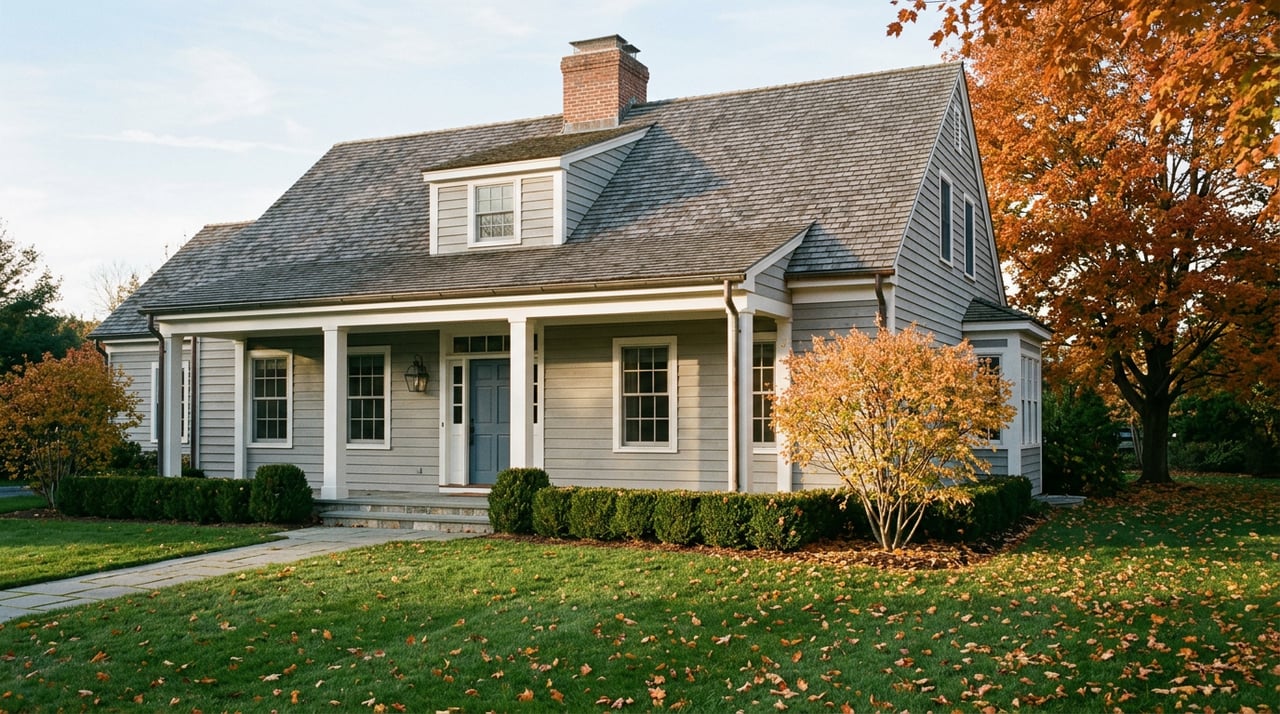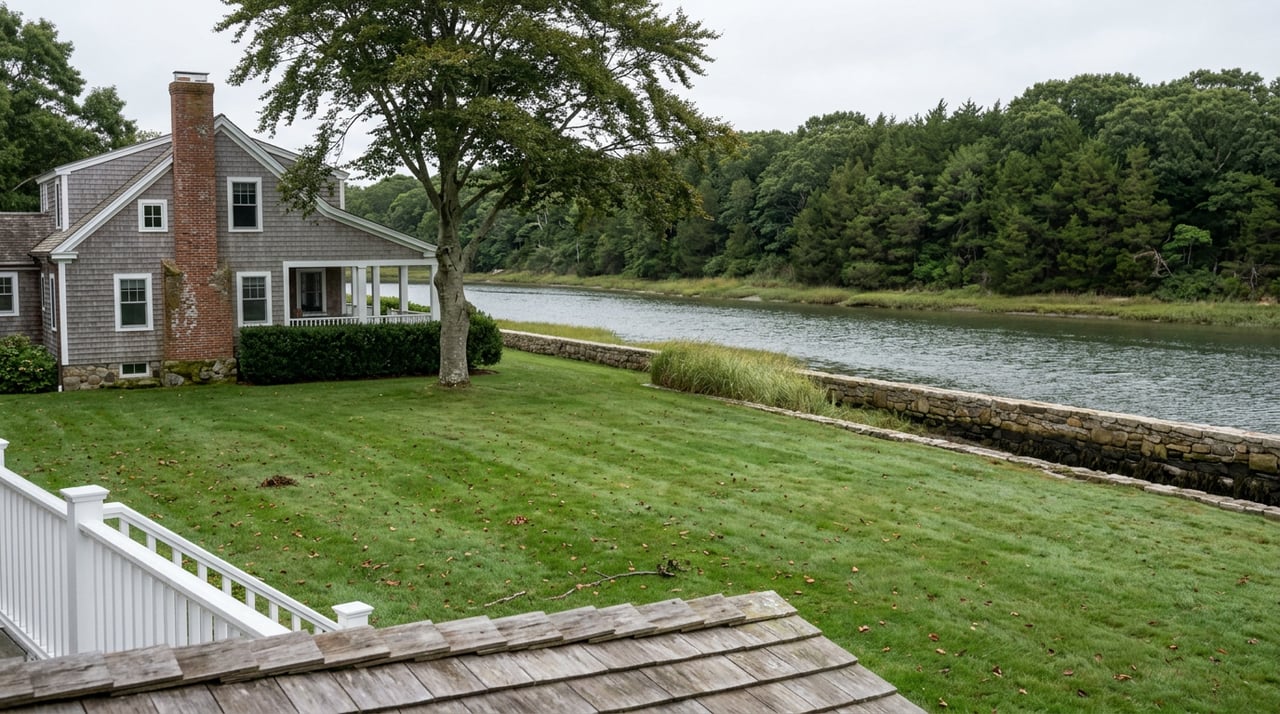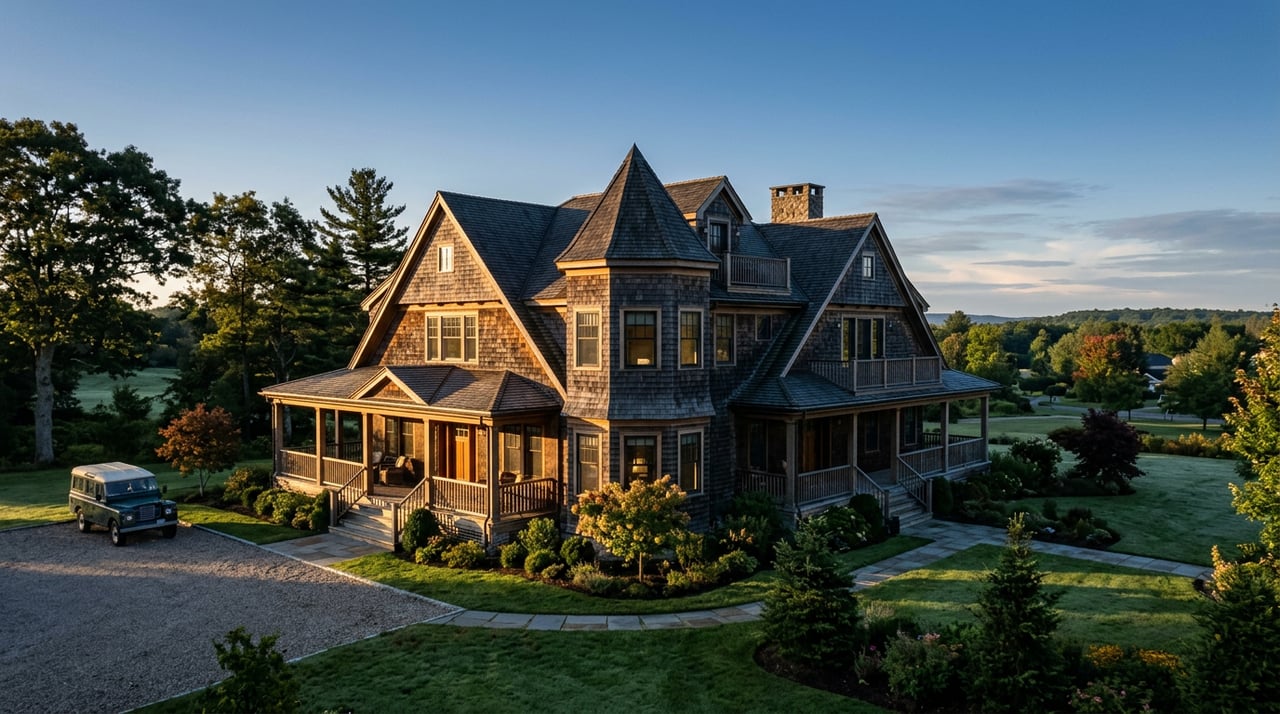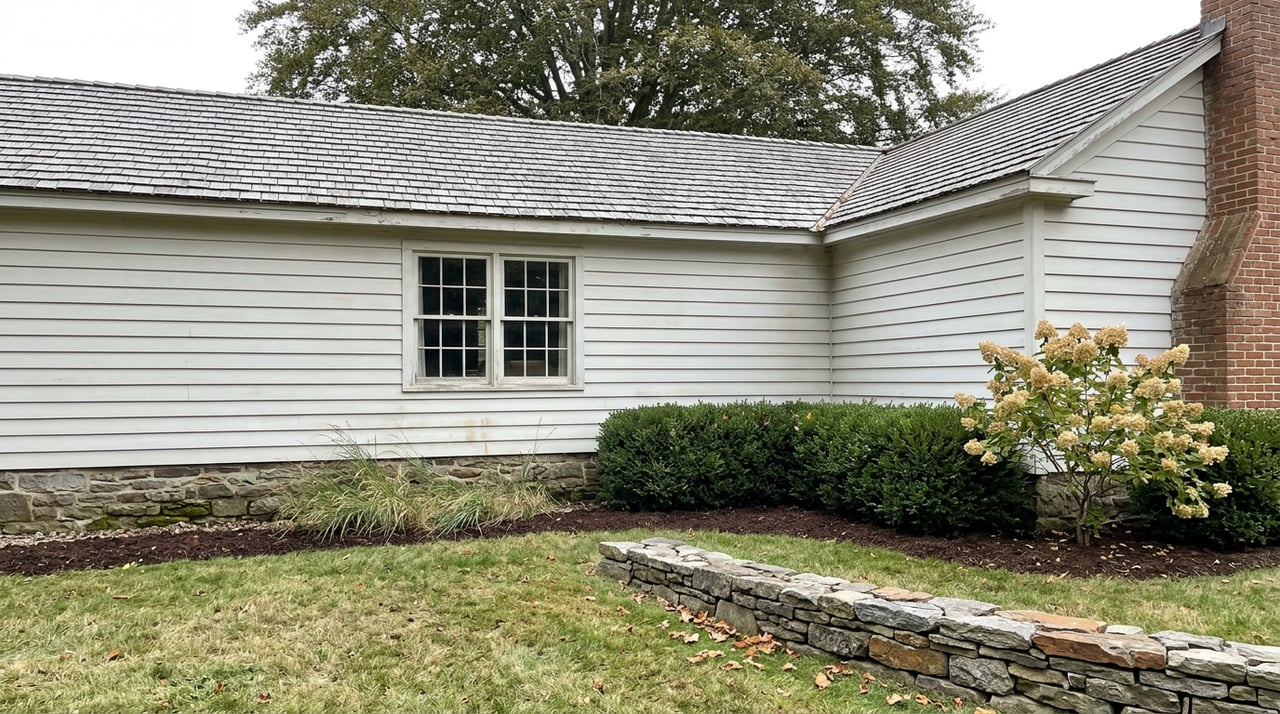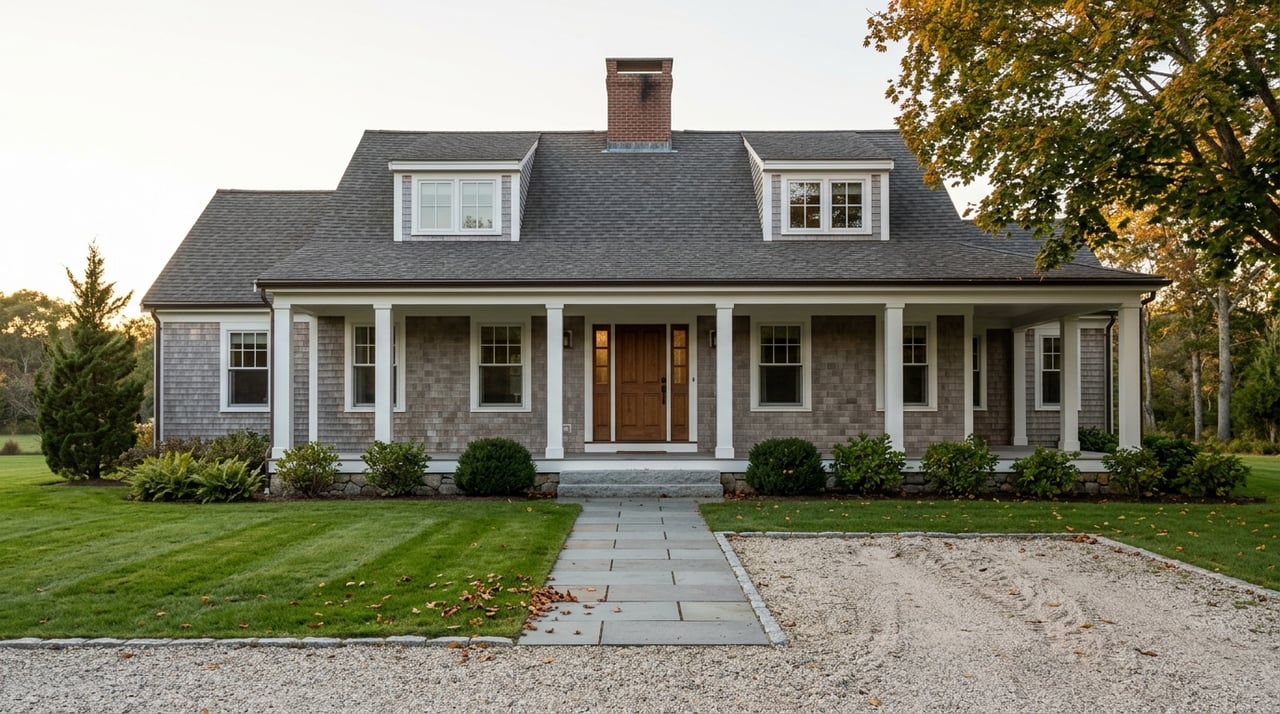
If you picture Fairfield County as polished downtowns, train stations, and busy shopping corridors, Easton may surprise you. Life here feels quieter, greener, and more spread out, which is exactly why many buyers are drawn to it. If you are wondering what country living in Easton, CT really feels like day to day, this guide will help you understand the rhythm, tradeoffs, and appeal of the town. Let’s dive in.
Easton Feels Rural on Purpose
Easton’s country character is not accidental. Official town materials describe Easton as a rural Fairfield County town shaped by farms, preserved land, reservoirs, and drinking-water protection. The town also says more than one third of its land is forever preserved, with more than 20 working farms within its borders.
That planning focus shows up in daily life. Easton’s conservation and development language calls for maintaining a low-density, quasi-rural residential character in established one-acre and three-acre neighborhoods. In practical terms, that often means larger lots, more space between homes, and a setting that feels more private and less built-up than many nearby towns.
Daily Life Is Calm and Car-Oriented
One of the biggest things to understand about Easton is that it does not function like a walkable town center. Daily errands, school drop-offs, recreation, and social plans usually happen by car. A town Route 59 project notes that this corridor connects neighborhoods, the middle school, the community center, the dog park, the village center, and agricultural uses, and that there are no sidewalks in the project area.
For some buyers, that is a major plus. If you want a break from congestion, a quieter road network, and a more residential pace, Easton delivers that feeling. If you prefer to walk to coffee shops, a train station, or a busy main street, Easton will feel very different from towns with a denser commercial core.
Farms Are Part of Everyday Living
In Easton, farms are not just a charming backdrop. They are woven into the identity of the town. Easton’s 2026 farm map says the entire town is declared a farmers’ market and invites the public to shop at more than 20 working farms and farm stands.
That gives daily life a distinctly local feel. You may find yourself picking up seasonal produce, visiting farm stands, or making traditions around Christmas tree farms. The town even brands itself as the Christmas Tree Capital of Connecticut, which says a lot about how central agriculture remains to the local experience.
Open Space Shapes the Lifestyle
If country living means access to the outdoors for you, Easton stands out. The town’s trails and open-space resources highlight hiking, dog walking, fishing, cross-country skiing, riding, and snowshoeing. That range of activities helps create a lifestyle where fresh air and open land are part of your regular routine, not something you drive far to find.
The scale of preserved landscape also matters. Connecticut DEEP says Centennial Watershed State Forest spans 15,300 acres across Easton, Newtown, Redding, and Weston. Combined with preserved meadows and historic farm fields noted by local land conservation groups, Easton offers a setting that feels deeply tied to land, seasons, and outdoor recreation.
Easton Has Small-Town Amenities
Country living does not mean being disconnected from civic life. Easton has a compact but useful set of town amenities that support day-to-day living. Official town pages highlight the public library, senior center, parks and fields, and social services that include camps, after-care, and a food pantry.
That mix gives Easton a small-town support network even without a large commercial center. You are not moving here for rows of retail or restaurant blocks. You are moving here for space, local institutions, and a community structure that feels practical and grounded.
Shopping and Rail Access Are Nearby, Not In Town
This is one of the clearest realities of living in Easton. The town itself is not a Metro-North rail stop. The MTA’s New Haven Line station list includes nearby stations such as Fairfield, Bridgeport, and Westport, but not Easton.
That means many residents handle rail commuting and larger shopping trips in neighboring towns. For some buyers, that is an easy trade. You live in a quieter, less commercial setting, then drive out when you need a station, expanded dining, or more retail options.
Commutes Can Still Be Manageable
A rural setting does not automatically mean an extreme commute. Census data reports Easton’s mean travel time to work at 32.9 minutes. That matches Fairfield’s 32.9 minutes and is shorter than the reported averages for Westport at 40.9 minutes and Weston at 46.6 minutes.
Of course, your actual drive depends on where you work and how often you commute. Still, those numbers help show that Easton can offer a country feel without putting you far outside the rhythms of Fairfield County life.
Housing Feels Long-Term and Residential
Easton’s housing profile supports the sense that people come here to stay. Census data puts the owner-occupied housing rate at 88.1%, which points to a market centered on ownership rather than a rental-heavy mix. The median value of owner-occupied homes is reported at $783,100.
That aligns with what many buyers expect from Easton. The housing stock is primarily associated with single-family residential living and a more settled, long-term atmosphere. If you are looking for a town that feels rooted and residential, Easton fits that description well.
Easton Sits in a Unique Fairfield County Niche
Easton occupies an interesting middle ground in the local market. It is much smaller than nearby Fairfield, Westport, and Weston, with a population of 7,838 according to the Census. Yet its median owner-occupied home value is similar to Fairfield’s, while remaining below Weston and well below Westport.
That matters if you are comparing lifestyle first, not just price point. Easton offers a distinctly rural setting in Fairfield County, but it is still tied to the same regional network of nearby towns, services, and access points. For buyers who want more land, a quieter visual environment, and a less built-up feel, Easton often stands apart.
Why Easton Feels Less Built-Up
Part of Easton’s atmosphere comes from what is not there. Census data shows Easton’s total retail sales per capita were $182 in 2022, compared with much higher figures in Fairfield and Westport. That helps explain why Easton feels self-contained and less commercial.
You notice that difference in subtle ways. Roads feel less lined with businesses, the townscape feels more residential, and the visual experience is shaped more by trees, fields, and open land than by retail density. For the right buyer, that is the whole point.
Is Easton Right for You?
Easton is a strong fit if you want privacy, larger lots, working farms, open space, and a slower daily pace within Fairfield County. It can be especially appealing if you are comfortable with a car-first lifestyle and you see nearby towns as your resource for trains, major shopping, and broader dining options.
It may be less ideal if your top priority is walking access to a busy town center or having a train station in town. Easton asks you to trade convenience in some areas for space, calm, and a more distinctly rural feel. Many buyers find that trade well worth it.
If you are considering a move in Fairfield County, understanding those lifestyle details is where smart home buying starts. The right town is not just about square footage or price. It is about how you want your day-to-day life to feel, and Easton offers a version of country living that is increasingly rare in this part of Connecticut.
If you want help comparing Easton with nearby towns or finding the right Fairfield County property for your lifestyle, Jennifer Twombly is a trusted local resource for thoughtful guidance and a tailored home search.
FAQs
What does country living in Easton, CT mean day to day?
- In Easton, country living usually means larger residential lots, a quieter road network, daily driving rather than walking to errands, and regular access to farms, open space, and outdoor recreation.
Does Easton, CT have a walkable downtown?
- Easton is not centered on a dense, walkable downtown. Town materials describe daily connections along Route 59, and the project area noted by the town does not have sidewalks.
Does Easton, CT have farms and farm stands?
- Yes. Easton’s farm map says the town has more than 20 working farms and farm stands, and the town describes the entire community as a farmers’ market.
Is Easton, CT good for outdoor recreation?
- Easton offers access to hiking, dog walking, fishing, cross-country skiing, riding, and snowshoeing, along with significant open space and nearby watershed forest land.
Does Easton, CT have a train station?
- No. Easton is not a Metro-North station town, so residents typically use stations in neighboring communities such as Fairfield, Bridgeport, or Westport.
What is the housing market like in Easton, CT?
- Easton is primarily an owner-occupied, single-family residential market. Census data reports an owner-occupied housing rate of 88.1% and a median owner-occupied home value of $783,100.