Torn between Fairfield’s sandy shoreline and the convenience of living in-town? You are not alone. Choosing where to live here often comes down to daily lifestyle, the kind of home and lot you want, your commute, and how much coastal regulations matter to you. In this guide, you will learn the key differences so you can decide with confidence. Let’s dive in.
What counts as “beach” vs “in-town”
Fairfield’s beach area generally refers to the Long Island Sound coastline near Jennings Beach, Penfield Beach, Sasco Beach, South Pine Creek, Rickards Beach, and Southport Beach, plus the surrounding Fairfield Beach neighborhood and marinas. You can explore the shoreline and amenities on the town’s visitor page for Fairfield beaches.
“In-town” covers several inland neighborhoods with different vibes and lot patterns. Downtown and Fairfield Center offer shops, restaurants, and cultural spots on and around Post Road. Stratfield and University-area streets mix older single-family homes with smaller lots. Greenfield Hill features larger parcels and a classic New England village green. Learn more about downtown’s walkable core on the Fairfield Center and Downtown page.
Lifestyle tradeoffs you will feel
Beach life: everyday water access
If you want to walk or bike to sand and shoreline parks, the beach area delivers. You will find seasonal events, pavilions, playgrounds, and a strong warm-weather scene. During beach season, parking rules and resident stickers shape access and crowds near the shore. For a quick overview of beaches and seasonal details, start with Fairfield’s beach listings and the Town’s guide to Living at Fairfield Beach.
What you trade for that daily coastal lifestyle: smaller yards on average, possible summer traffic near popular beaches, and added attention to maintenance due to salt air and coastal weather.
In-town rhythm: walkability and year-round activity
Downtown and nearby neighborhoods appeal if you want easy access to restaurants, coffee, errands, and culture. Streets near Fairfield Center put you close to venues like the Fairfield Theatre Company, and living right in the core can reduce day-to-day driving. Explore the dining and arts scene on the Downtown guide.
What you trade: you may not have immediate beach access, and lot sizes vary widely. Closer to the core you will often find smaller parcels and a mix of housing types. Farther inland, privacy and space increase.
Lot size, zoning, and space
Fairfield’s zoning sets minimum lot areas by district. Here are the headline minimums from the Town’s regulations:
- Residence AAA: 2 acres
- Residence AA: 1 acre
- R-3: 20,000 sq ft
- R-2: 14,000 sq ft
- Residence A: 9,375 sq ft
- Residence B: 6,000 sq ft
The Beach District (BD) has a minimum lot area of 9,375 sq ft and minimum frontage of 20 feet. The BD also controls lot coverage, height, and uses to preserve coastal character and manage hazards. Always confirm details in the Town of Fairfield Zoning Regulations.
What that means on the ground
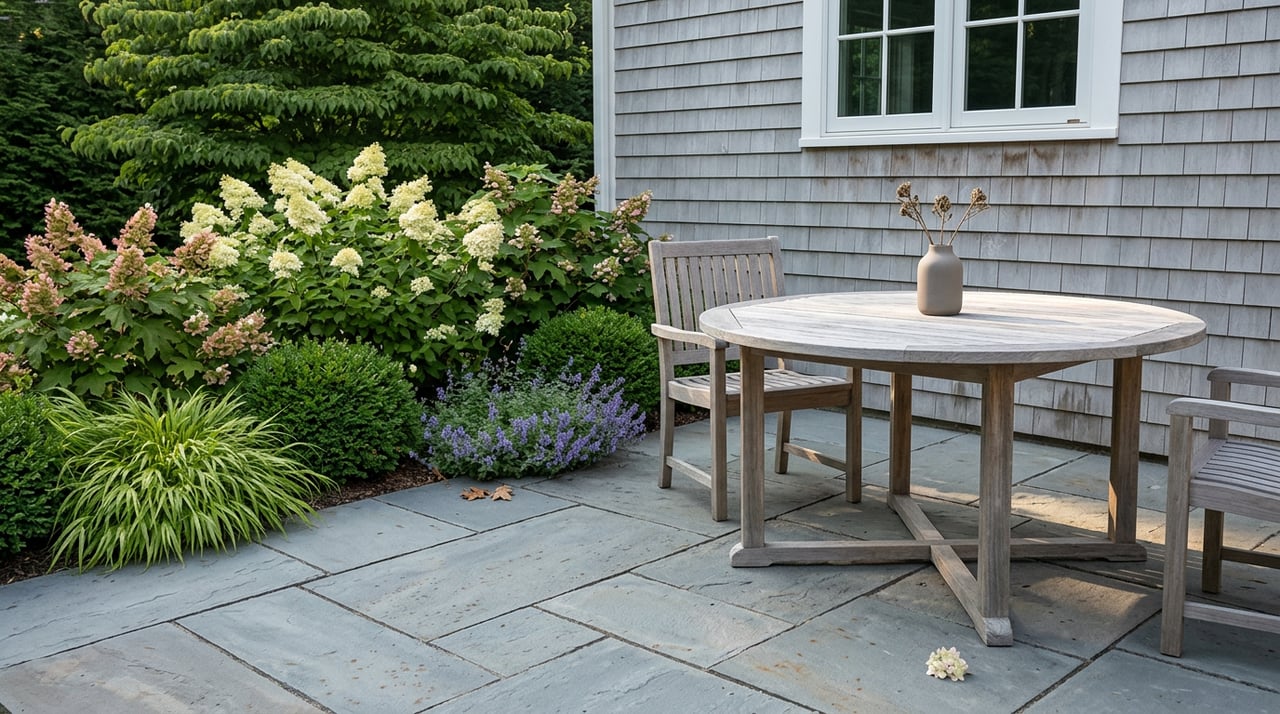
- Beach-area parcels are often smaller, closer together, and sometimes irregular in shape. Many are older lots that may be nonconforming under current rules. Yards tend to be compact, with homes oriented to views, decks, and outdoor living.
- In-town and inland neighborhoods run the full range. Near downtown and the University you will see smaller single-family lots and some attached housing. In Greenfield Hill, historic village character and larger parcels are common, as outlined in the Greenfield Hill Historic District overview.
The takeaway: if you value larger setbacks and more land, target inland zones with bigger minimums. If you prioritize daily access to the shore, expect smaller lots and coastal rules that shape what you can build.
Home styles you will see
Beach neighborhoods
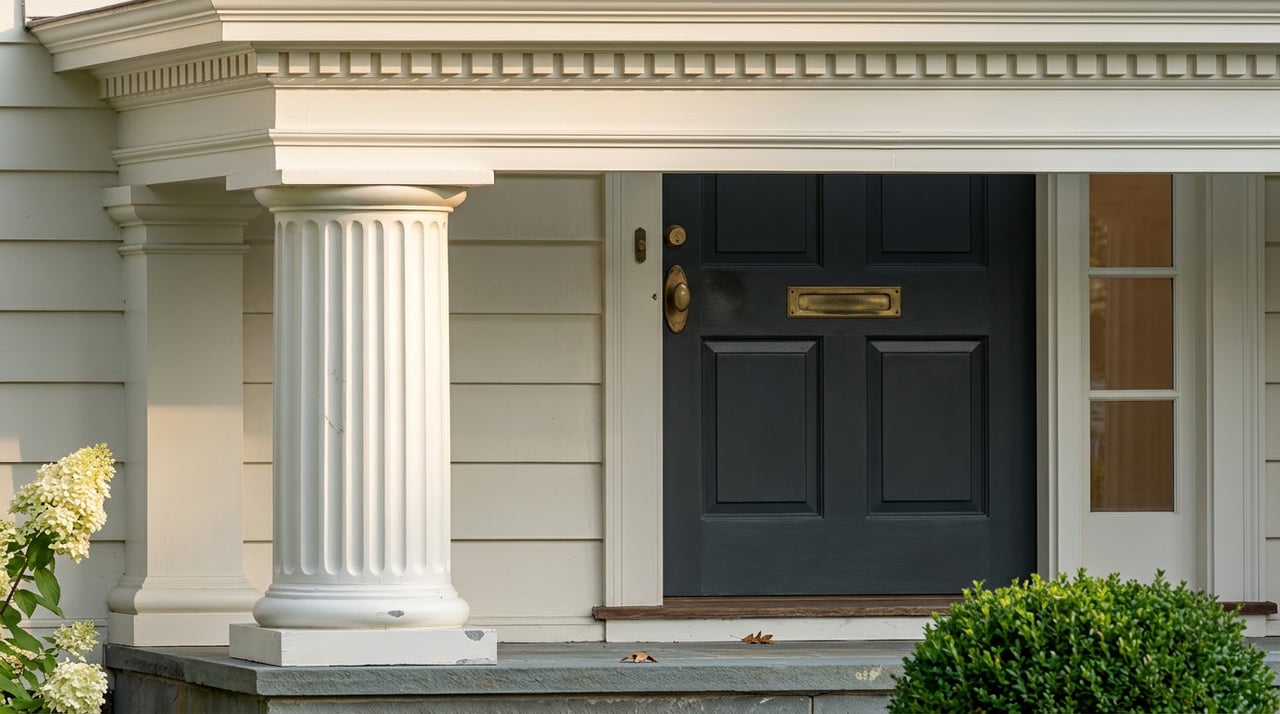
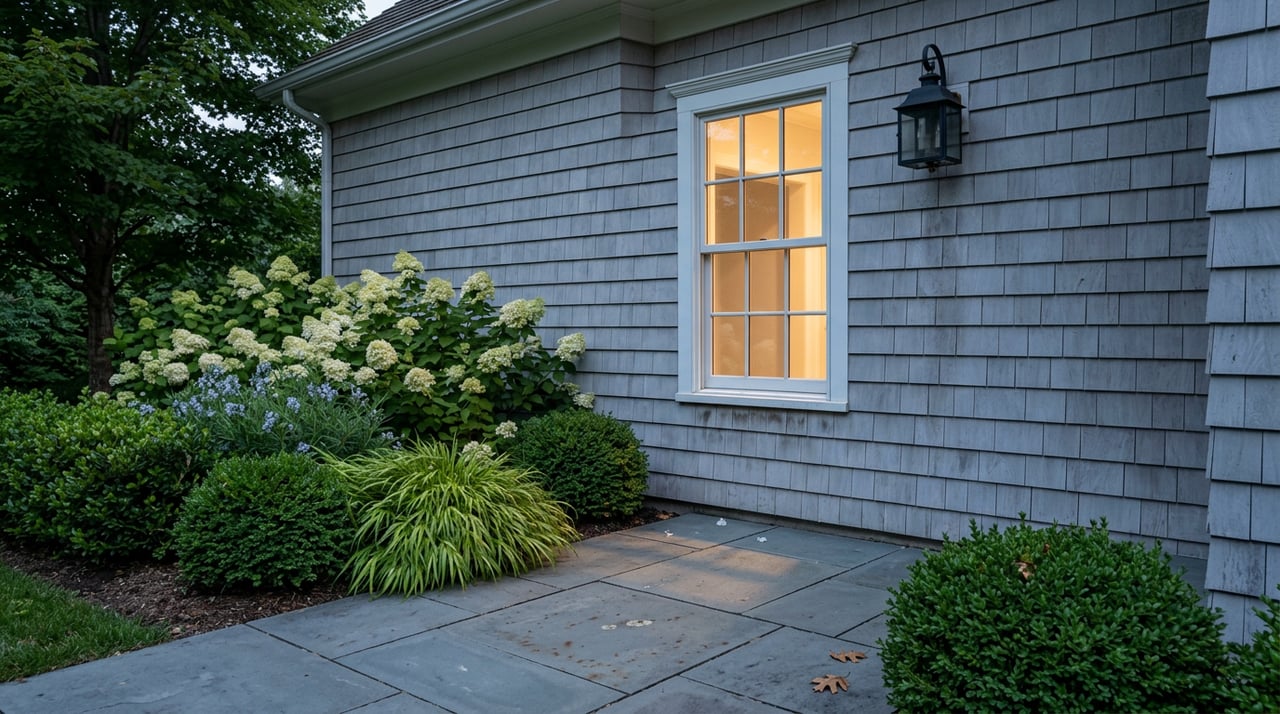
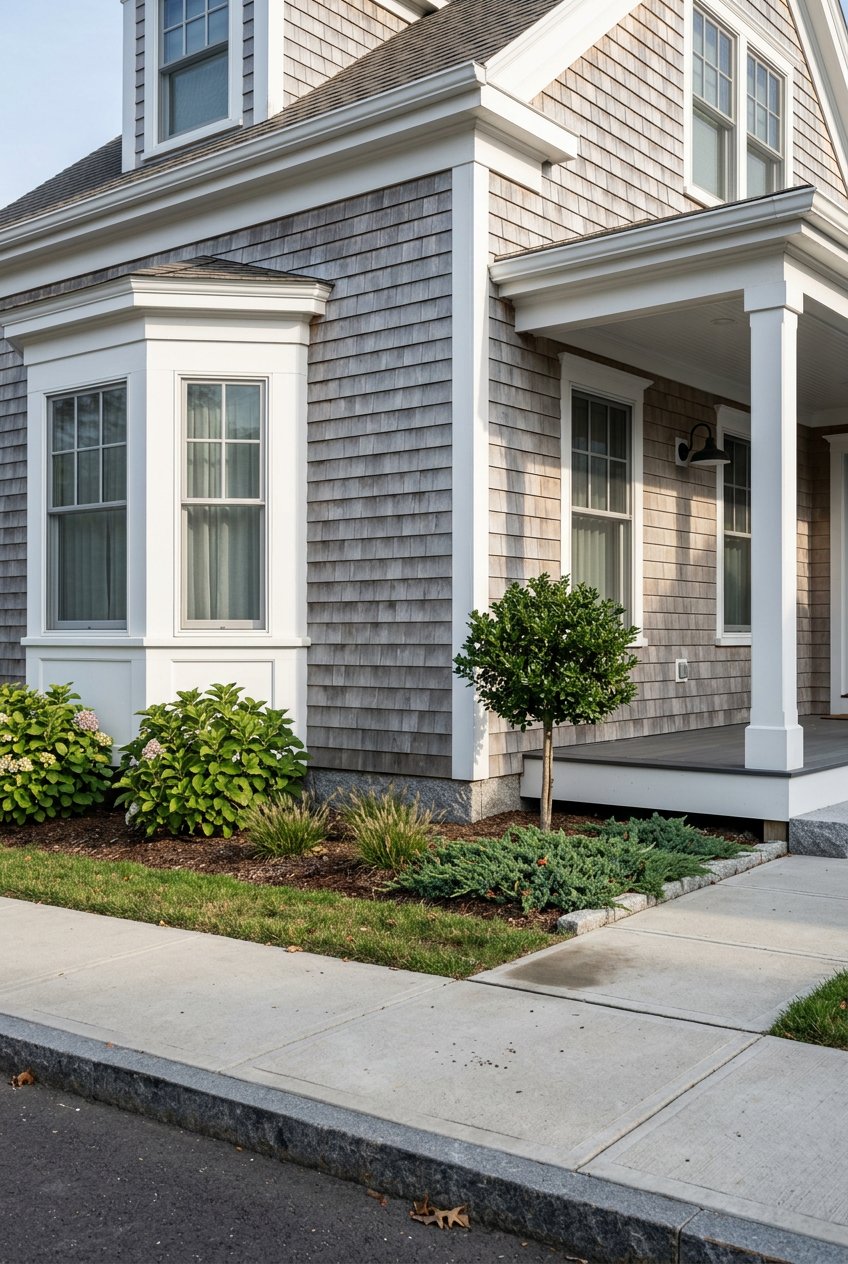
You will find a mix of older beach cottages, Cape Cods, Shingle-style homes, and expanded or rebuilt properties designed to capture light and views. Many homes feature porches, balconies, and roof decks to take advantage of the setting. Town and visitor materials describe the area around Jennings and Penfield as a blend of classic beach housing and upgraded homes. Tour the shoreline highlights on the beaches page.
In-town and inland neighborhoods
- Downtown and Fairfield Center: a mix of single-family homes on smaller lots, townhomes and condos near shops and restaurants, and walkable streets anchored by cultural venues. See what’s nearby on the Downtown guide.
- Greenfield Hill and Southport: larger Colonials, Tudor and Georgian revival styles, and historic homes within village settings. Historic overlays can influence exterior changes and demolitions. For historical context, review the Greenfield Hill district summary above and the Southport Historic District overview on LivingPlaces.
Commuting and mobility
Fairfield has three Metro-North stations: Fairfield Center, Fairfield Metro, and Southport. Train patterns and parking rules vary by station and by timetable. If you want a walk-to-train lifestyle, focus on blocks near Fairfield Center or Southport. If you plan to drive and park, check permits and capacity before you buy. The Town’s Transportation page lists stations, parking, and local transit links: Fairfield transportation overview.
Pro tip: do not rely on an average train time. Look up the New Haven Line schedule for your actual commute window and do a live test commute from any target street, including your walk or parking time.
Coastal rules and maintenance
Beach-area homes fall under the Beach District and, in many cases, the Flood Plain District. These rules affect building elevation, setbacks from the Sound, lot coverage, and what you can rebuild after storm damage. The BD also defines principal uses and occupancy, such as limits on the number of unrelated occupants per dwelling. Review the Town’s Zoning Regulations and the Town’s guide to Living at Fairfield Beach for practical expectations.
For a real-world example of how flood-zone standards are applied, the Penfield Pavilion project documents show design responses to coastal V-zone and base flood elevation requirements: Penfield Pavilion drawings.
Maintenance-wise, coastal exposure means more frequent attention to exterior finishes, windows, and metals. If you plan a renovation or a teardown-and-rebuild, verify flood maps, local elevation rules, and any special permits early in your due diligence.
Quick decision checklist
Use this short list to compare your top two or three neighborhoods:
- Lifestyle fit: Daily shoreline access and seasonal activity near Fairfield’s beaches or year-round dining, culture, and errands in Downtown Fairfield?
- Lot size and zoning: Confirm the minimums and special rules for your street in the Zoning Regulations. Many older lots may be nonconforming.
- Commute plan: Identify your nearest station and test your door-to-door timing. Start with the Town’s transportation overview.
- Flood and coastal compliance: Check FEMA and local maps, BD and Flood Plain sections in the zoning code, and the Town’s Living at Fairfield Beach guide.
- Beach permits and parking: Review beach-season rules on the beaches page if parking and guest access matter.
- Historic overlays: If you prefer maximum renovation flexibility, confirm whether a property lies in a historic district such as Greenfield Hill or Southport using district summaries like the one for Greenfield Hill.
- Schools and parks: Verify school assignments with the district and map proximity to parks and playgrounds using Town resources.
Which buyers fit where
- Choose the beach area if you want everyday access to sand and shoreline parks, you are comfortable with coastal maintenance, and you accept smaller lots and BD rules that shape design and use.
- Choose downtown or nearby in-town streets if walkability to restaurants, errands, and culture is a priority, and you like the variety of housing types and lot sizes.
- Choose inland villages like Greenfield Hill if you want more land, traditional architecture, and a quieter, historic village feel with larger parcels.
- Consider Southport if you want a historic village setting that blends coastal access with a small-town center. Historic overlays may guide exterior changes.
Ready to compare homes with a local expert?
If you are narrowing your search to Fairfield’s beach neighborhoods or in-town villages, a hyper-local lens will help you avoid surprises on zoning, flood rules, parking, and commute. When you are ready to tour or want a curated list, reach out to Jennifer Twombly for neighborhood guidance, private and upcoming opportunities, and a smooth, data-informed path to your next home.
FAQs
Which neighborhoods count as Fairfield’s beach area?
- The coastline near Jennings, Penfield, Sasco, South Pine Creek, Rickards, and Southport Beaches and the surrounding Fairfield Beach neighborhood. See the beaches overview.
What are typical lot rules in the Beach District?
- The BD minimum lot area is 9,375 sq ft with 20 feet of frontage, plus coverage, height, and coastal setback limits. Review the Zoning Regulations.
How does train access differ between beach and in-town homes?
- In-town areas near Fairfield Center or Southport often allow easier walk-to-station options, while many beach streets rely on driving and parking. Start with the Town’s transportation page.
What should I check before renovating a beach-area home?
- Confirm flood zone, BD and Flood Plain rules, required elevations, and permitted coverage. The Town code and Penfield Pavilion drawings show how standards are applied.
Are there beach-season parking or permit rules I should know?
- Yes. Several beaches require resident stickers or seasonal permits and have posted parking rules. See the Fairfield beaches page for details.
Is Southport considered beach or in-town in Fairfield?
- Southport spans both ideas. It is a historic village with coastal access and an established center. See the historic-district context on LivingPlaces for Southport.