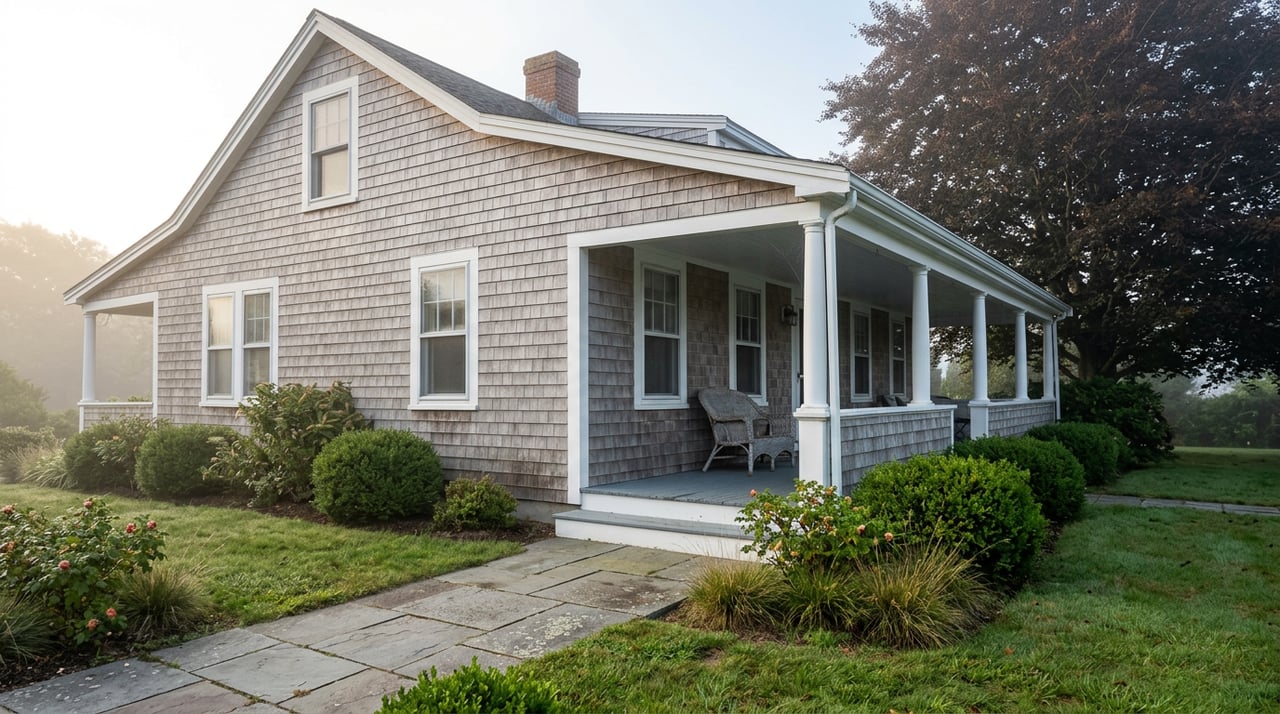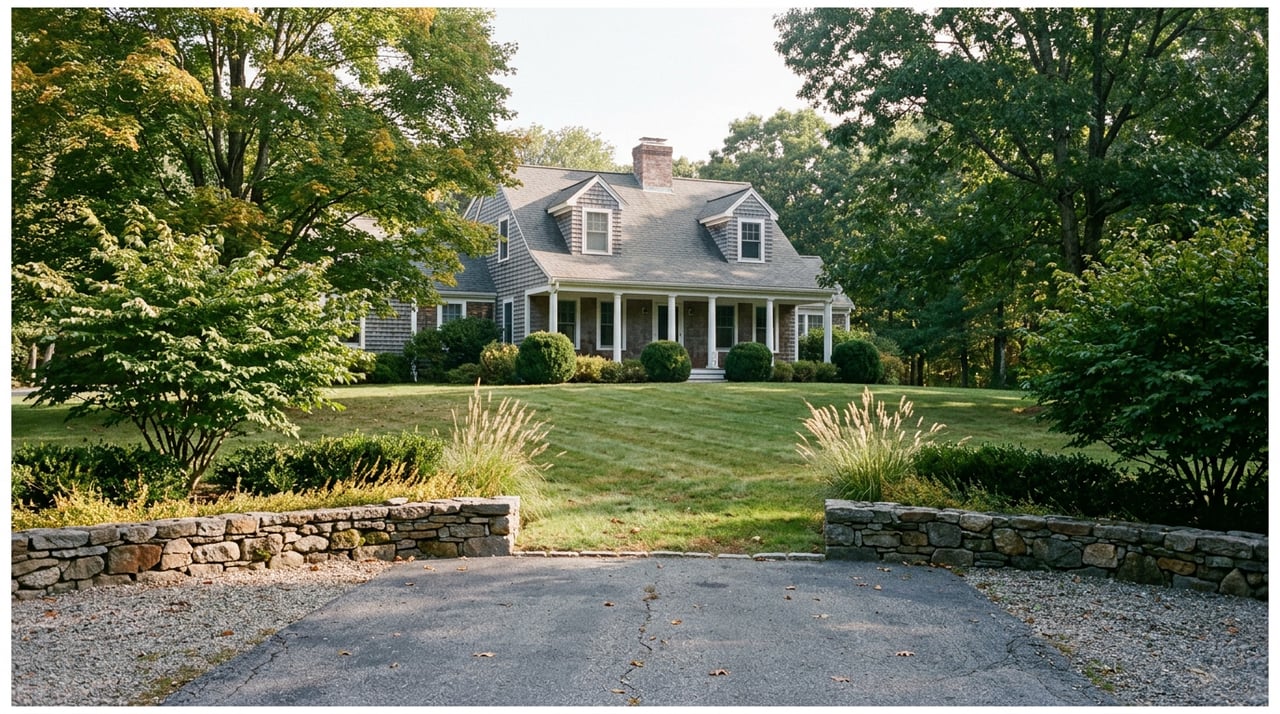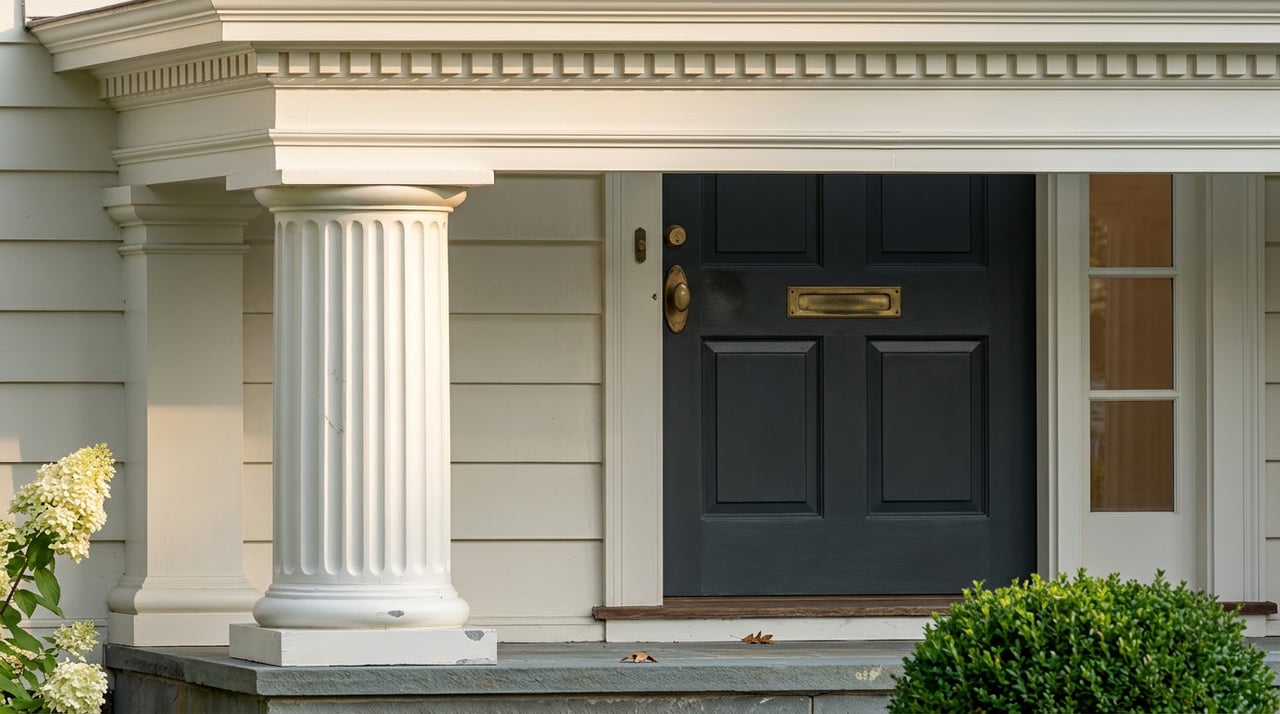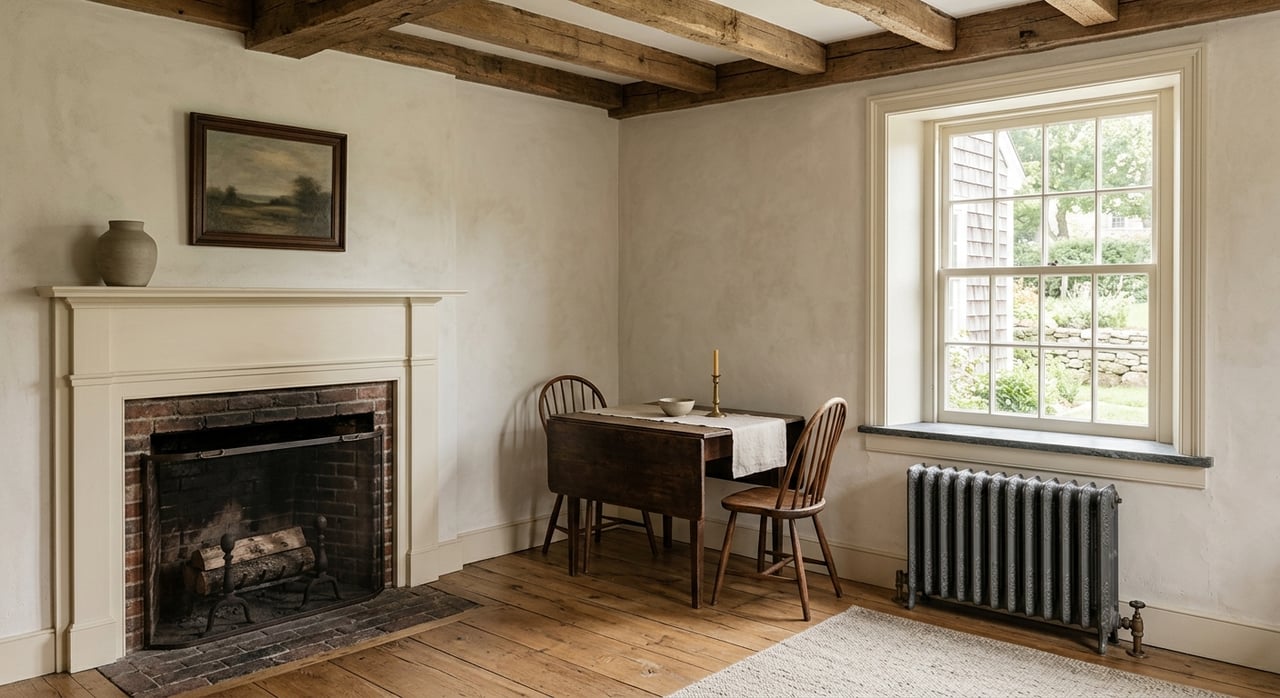
Thinking about buying an antique home in Redding? It is easy to fall for the wide-plank floors, hand-hewn beams, old fireplaces, and the kind of character new construction simply cannot copy. But with older homes, charm and due diligence need to go hand in hand. If you are considering an antique property in Redding, this guide will help you understand the local housing stock, the inspections that matter most, and the rules you should know before you buy. Let’s dive in.
Why Redding attracts antique-home buyers
Redding is a natural place to search if you love historic homes. According to the town, Redding has two National Register Historic Districts, Redding Center and Georgetown, along with 230 historic structures listed in the State Historic Resource Inventory.
That number only tells part of the story. The town also notes that many pre-1900 homes are not listed at all, which means antique homes are woven into Redding’s built landscape rather than limited to a few isolated pockets. Redding’s historic homes overview makes it clear that preservation is part of the town’s identity.
For you as a buyer, that means more choice, but also more variation. You may come across formal period homes, rural farmhouses, houses with later additions, and properties where original details remain alongside updated systems.
What kinds of antique homes you may find
Redding’s historic resource inventory shows a broad range of architectural styles. That includes Colonial, Federal, Greek Revival, Italianate, Queen Anne, Tudor Revival, Bungalow, Colonial Revival, saltbox homes, stone Georgian Colonial homes, and simpler vernacular houses with central chimneys and outbuildings.
In practical terms, your search may include everything from a symmetrical Federal-era house to a farmhouse that evolved over time. Some properties will feel carefully preserved, while others may reflect decades of renovations, additions, or deferred maintenance.
That mix is part of the appeal. It also means you should evaluate each home on its own condition, systems, and paperwork, not just its age or style.
Expect character and maintenance together
Redding itself acknowledges the realities of old-house ownership, including sloping floors, leaky windows, and aging pipes and wiring. Those features do not automatically signal a bad purchase, but they do remind you that antique homes often come with a longer maintenance story.
The key is to separate cosmetic charm from structural or system concerns. Original materials and period details can be wonderful to live with, but only if you understand what has been updated, what still needs attention, and what that could mean for your budget after closing.
Start with the right inspections
When you buy an antique home in Redding, a standard inspection is only the beginning. Older homes often require deeper review of materials, utilities, and site conditions that may not matter as much in a newer property.
The Connecticut Department of Consumer Protection says home inspectors must be licensed, so it is smart to verify that your inspector is properly credentialed through the state’s home inspector consumer guidance. A qualified inspector can help you identify where you may need follow-up from specialists.
Lead paint and asbestos
If the home was built before 1978, lead paint should be on your radar. The EPA says the older a home is, the more likely it is to contain lead-based paint, and notes that 87% of homes built before 1940 have some lead-based paint. The agency recommends assuming pre-1978 homes contain lead unless they have been tested by a certified professional, as explained in its lead-based paint guidance.
Asbestos is another issue that may come up in older materials. The EPA explains in its asbestos safety guidance that asbestos usually cannot be identified by sight alone, and materials that are damaged or may be disturbed during remodeling should be evaluated by a trained and accredited professional.
Septic, well, and water quality
In Redding, water and wastewater due diligence is especially important. The town’s Health Department says it conducts septic inspections and advises residents on drinking water quality, radon, and well-water topics including arsenic and uranium.
That is a local reminder to look beyond the house itself. If the property has a private well or septic system, you will want to understand its condition, maintenance history, and whether any upgrades may be needed.
One important local detail is that the Georgetown Sewer System serves only 77 parcels. So if sewer service matters to you, verify the property’s status parcel by parcel rather than assuming it based on the neighborhood name alone.
Foundations and disclosures
Connecticut consumers should also pay close attention to seller disclosures. The state notes that a Residential Property Condition Report and a new Residential Foundation Condition Report became effective July 1, 2025, as outlined in its real estate information for consumers.
These reports can be useful, but they are not a replacement for your own inspections. Think of them as one source of information, not the final word on the property’s condition.
Renovation plans need early research
Many buyers are happy to take on updates when they buy an antique home. If that is your plan, it helps to research permits and approvals before you close, not after.
Redding’s Building Department issues permits for construction, alterations, remodeling, additions, renovations, decks, storage buildings, temporary structures, and some repairs. Some permit applications also require approvals from Planning, Zoning, Conservation, and Health.
That matters because a project that seems simple on paper may involve multiple layers of review. If you are buying with the idea of expanding the house, changing the site, or replacing major systems, it is wise to confirm the process up front.
Septic-related permit requirements
If the property uses septic, the rules can become even more specific. Redding states that a site assessment is required before building-permit approval for additions, garages, accessory structures, pools, or other significant soil disturbance when there is no existing code-compliant septic system or approved plan, according to the town’s Health Department permit requirements.
The town also says testing must be completed by a Connecticut-licensed septic installer or professional engineer. If a septic replacement and a new well are both part of the project, permits for each must be in place before the building permit application is accepted.
Zoning and future use
Your long-term plans should shape your due diligence. Redding’s Zoning Commission regulates special use permits, accessory apartment permits, land clearing and re-grading permits, and lot requirements.
So if you are thinking about an addition, an accessory unit, a detached structure, or major site work, zoning is not something to leave until later. Understanding those rules early can help you avoid buying a property that does not align with your goals.
Historic designation does not always limit changes
A lot of buyers hear “historic” and assume that every future change will be tightly restricted. In many cases, that is not true.
Connecticut’s State Register fact sheet explains that State Register designation does not restrict a private owner’s right to use or develop the property. Redding also describes National Register and State Register designations as honorary and non-restrictive.
That said, you should not assume all historic-related issues are symbolic. A historic preservation easement is different.
Easements can affect resale and renovations
Redding explains on its historic homes page that a preservation easement is a legal document attached to the deed, may cover all or part of a property, can be permanent, and may affect resale because future buyers must be willing to accept it.
If an antique home has an easement, or one is being discussed, title review and attorney review become especially important. This is one of those details that can matter just as much as the condition of the house itself.
Demolition is not simple in Redding
Even if you are not planning to tear down a home, it is smart to understand the local rules. In Redding, a demolition application can trigger a 180-day waiting period under the town’s Demolition Delay Ordinance.
During that time, the Historic Review Committee can determine whether the structure is historically sensitive and pursue alternatives such as preservation, restoration, relocation, or resale. For buyers, that means properties with major redevelopment potential may come with more process than expected.
A smart approach to buying an antique home
The best way to approach an antique purchase in Redding is to think of it as two decisions in one. You are buying the home itself, and you are buying into the maintenance, permitting, and property-specific systems that come with it.
A strong buying process often includes:
- A licensed Connecticut home inspector
- Septic and well specialists when relevant
- Careful review of seller disclosures
- Permit research if you plan to renovate
- Title and attorney review if historic easements may apply
For many buyers, the sweet spot is a home with historic character and documented system updates. In Redding, that can mean finding a property where the period details remain intact, but major components like roofing, electrical, heating, septic, or other key systems have already been improved in a thoughtful way.
If you are weighing antique homes in Redding or elsewhere in Fairfield County, having a local advisor who understands both the emotional appeal and the practical questions can make the process much smoother. When you are ready to explore the market with clear guidance and trusted local insight, connect with Jennifer Twombly.
FAQs
What should you inspect first when buying an antique home in Redding?
- Start with a licensed Connecticut home inspector, then add specialists for lead paint, asbestos, septic, wells, and foundation concerns as needed.
Does historic designation restrict changes to a Redding antique home?
- Not necessarily. Redding says National Register and State Register designations are honorary and non-restrictive, but a preservation easement attached to the deed can affect what you can do.
Are most antique homes in Redding on septic systems?
- Sewer versus septic status should be verified property by property. One local nuance is that the Georgetown Sewer System serves only 77 parcels.
Do you need permits to renovate an antique home in Redding?
- Yes, many projects do require permits. In Redding, alterations, additions, renovations, decks, storage buildings, and some repairs may need approval, and some projects also involve Planning, Zoning, Conservation, or Health review.
Should you rely on seller disclosures when buying an older home in Connecticut?
- No. Seller disclosures are important to read carefully, but they should support, not replace, your own inspections and due diligence.