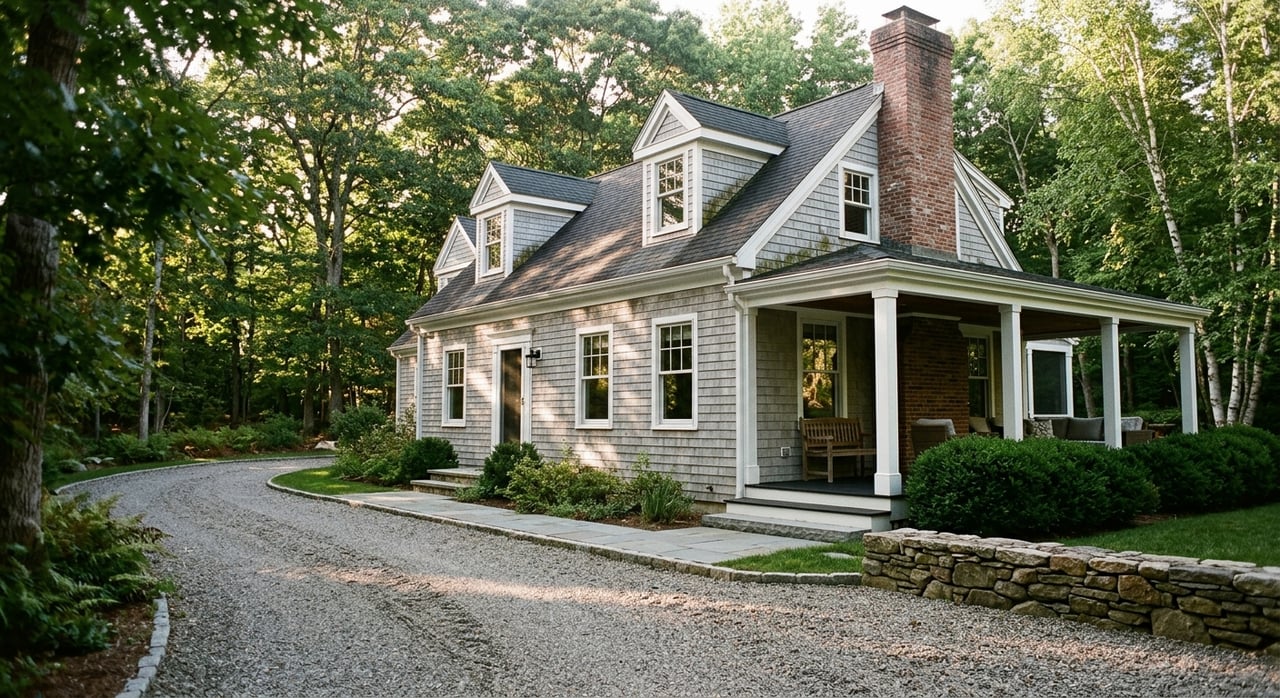
If you are thinking about a move in Fairfield County, Easton can feel like a very different option from the area’s more built-up towns. For some buyers, that difference is exactly the point. If you want more land, more privacy, and a quieter day-to-day setting, Easton may be worth a close look. Let’s dive in.
What Easton feels like
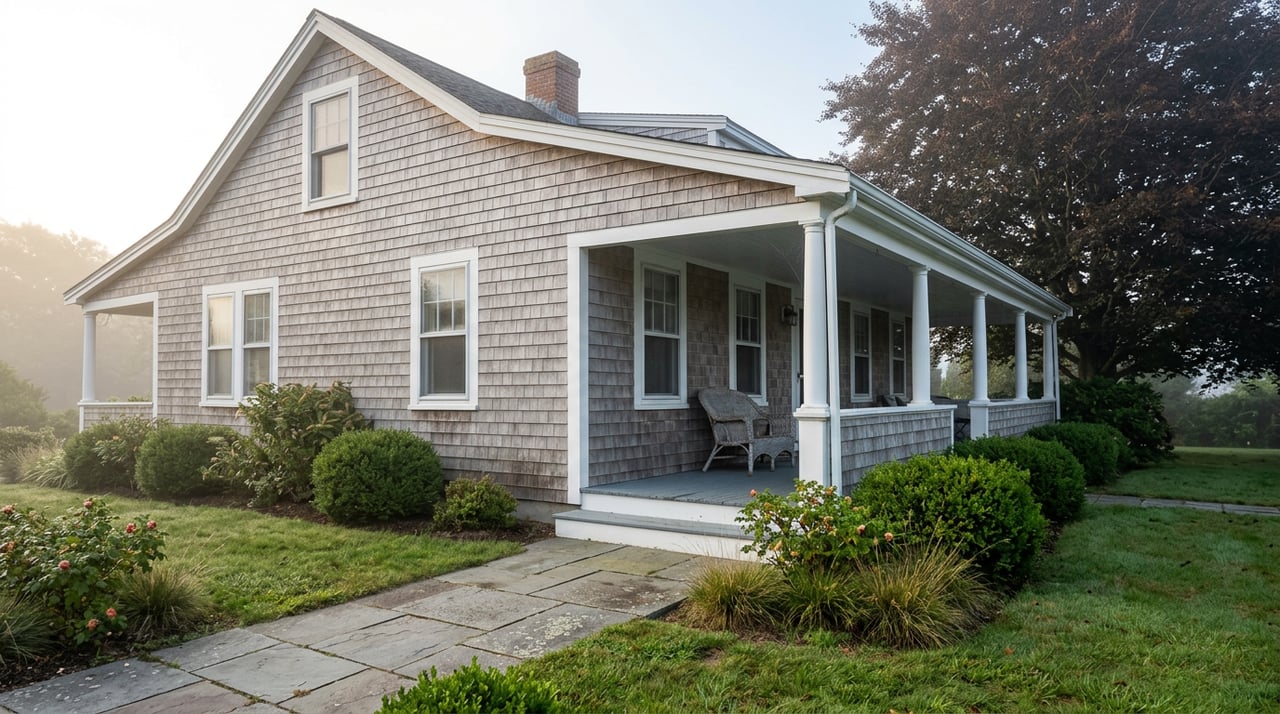
Easton presents itself as a town shaped by open space, farms, and a rural residential pattern. According to the Town of Easton, it is home to more than twenty working farms, more than one-third of its land is permanently preserved, and four reservoirs lie fully or partly within town boundaries.
That landscape focus is not a minor detail. Easton’s open-space planning materials note 7,724 acres of protected open space, which helps explain why the town often appeals to buyers looking for natural surroundings and a lower-density lifestyle. If your idea of home includes room to spread out, Easton stands apart in Fairfield County.
Easton at a glance
On paper, Easton is small, stable, and owner-oriented. The latest U.S. Census QuickFacts estimates a 2024 population of 7,815 and 2,539 households.
The same Census profile reports an 88.1% owner-occupied housing rate and shows 89.3% of residents lived in the same home one year earlier. That suggests a community where people tend to stay put, which can matter if you are looking for a more settled residential environment.
Easton also has a median household income of $222,604 and a mean travel time to work of 32.9 minutes. For you as a buyer, the practical takeaway is simple: Easton tends to offer a quieter, more residential setting, but daily errands and commuting often involve a drive.
What homes in Easton look like
If you are searching for Easton, it helps to know what the housing stock usually looks like before you start touring homes. Easton’s Affordable Housing Plan says the town’s housing units are overwhelmingly single-family detached dwellings.
The plan also notes there are some accessory dwelling units, caretaker cottages, and a small number of two-family, three-family, or multi-unit properties. Still, the main story is clear: Easton is primarily a single-family market.
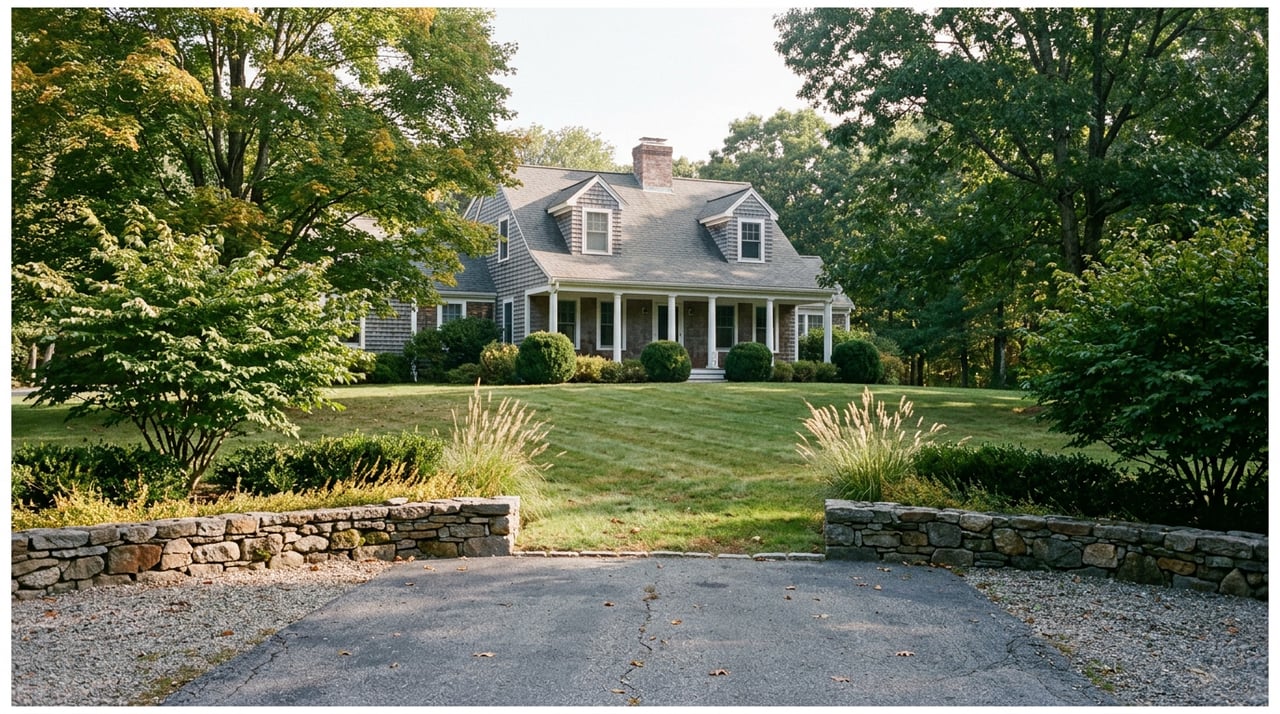
That pattern is reinforced by local zoning. Easton’s residential districts require minimum lot areas of 40,000 square feet and 3 acres, with 200 feet of frontage generally required. In everyday terms, many buyers in Easton should expect larger lots and more distance between homes than they would find in many nearby towns.
Lot size matters in Easton
For many buyers, the lot is one of Easton’s biggest selling points. If privacy, outdoor space, or a more wooded setting matters to you, Easton’s large-lot structure may feel like a strong fit.
Current inventory snapshots support that expectation. On Realtor.com’s Easton market page, recent listings include land parcels around 0.95 acres, 3 acres, 3.01 acres, 3.62 acres, 5.7 acres, and 6.54 acres.
That does not mean every property is the same, of course. But it does show that buyers regularly encounter more land here than they might in places where smaller in-town lots are more common.
What Easton may cost you
Budget is an important part of deciding whether Easton is the right fit. The Census reports a median value of owner-occupied homes of $783,100, while Realtor.com’s current market snapshot places the median listing home price at about $1.15 million.
Those two figures measure different things, so they are not direct apples-to-apples comparisons. Still, together they show Easton is a higher-value market, especially for buyers focused on larger lots and detached homes.
Realtor.com also reports homes averaging 29 days on market. If you are serious about Easton, it helps to be clear about your priorities early, especially around lot size, home condition, and commute needs.
Commuting from Easton
Easton is not a train-town in the way some other Fairfield County communities are. If rail access is important to you, the key thing to know is that Easton is generally a drive-to-the-station town.
Nearby New Haven Line options include Fairfield-Black Rock, Bridgeport, East Norwalk, South Norwalk, and Westport, according to MTA station information. For some buyers, that setup works well because it offers a quieter home setting while keeping regional rail access within reach.
But this is also where Easton may be a weaker match. If you want to walk to a train, live near a busy downtown, or depend on a condo-style, low-maintenance lifestyle, Easton may not line up with your day-to-day preferences.
Who Easton tends to fit best
Easton often makes the most sense for buyers who are intentionally choosing space over convenience. If you value privacy, land, and a more landscape-driven setting, Easton has a lot to offer.
It may be especially appealing if you are looking for:
- A single-family home on a larger lot
- More separation from neighbors
- A quieter residential environment
- Open space, farms, and natural surroundings
- A home base in Fairfield County that feels less dense
These are practical lifestyle preferences, and Easton supports them well based on its land use, zoning, and housing mix.
When Easton may not be the best fit
The right town is not just about what is attractive. It is also about what fits your routine.
Easton may be less ideal for buyers who want:
- A wide selection of condos or attached homes
- A highly walkable commercial center
- Train service within town
- Smaller lots and lower exterior maintenance
- A more urban or mixed-use daily environment
That does not make Easton better or worse than nearby towns. It simply means Easton works best when your goals match what the town actually offers.
How to decide if Easton fits your move
If you are comparing Easton with towns like Fairfield, Westport, Norwalk, Trumbull, or Newtown, start with your everyday priorities. Think about how much land you want, how often you commute, and whether you prefer a more active town center or a quieter home setting.
A useful way to frame it is this: Easton is often a strong choice if you are comfortable trading some convenience and density for more privacy, more land, and a calmer setting. For many Fairfield County buyers, that trade is exactly what makes Easton attractive.
If you want help comparing Easton with other Fairfield County towns, Jennifer Twombly offers thoughtful, data-informed guidance tailored to how you actually live, commute, and search.
FAQs
Is Easton, CT a good fit if you want a large lot?
- Yes. Easton zoning is built around minimum lot patterns of 40,000 square feet and 3 acres, and current listings often include parcels near or above those sizes.
Is Easton, CT mostly single-family housing?
- Yes. Easton’s housing stock is overwhelmingly single-family detached homes, with only limited accessory units and a small number of multi-unit properties.
Is Easton, CT a train town?
- No. Easton is generally considered a drive-to-the-station town, with nearby New Haven Line access in neighboring communities such as Fairfield-Black Rock, Bridgeport, East Norwalk, South Norwalk, and Westport.
Is Easton, CT an expensive housing market?
- Easton is a higher-value market. Census data lists a median owner-occupied home value of $783,100, and current listing data shows a median listing price of about $1.15 million.
What kind of lifestyle does Easton, CT offer?
- Easton is known for a lower-density, rural residential setting shaped by open space, farms, protected land, and larger-lot homes.