Outgrowing your current home and eyeing more space, privacy, and a quieter pace without losing access to New York and coastal amenities? If so, Wilton belongs on your short list. As a move-up buyer, you want clarity on what your budget buys, how the commute works, where the schools and trails fit in, and how to coordinate selling and buying with less stress. This guide covers the essentials so you can plan with confidence. Let’s dive in.
What move-up buyers find in Wilton
Space, lots, and price points
Wilton is known for mid to upper tier single-family homes, with many properties offering generous square footage and acreage. Typical move-up homes often span 3,000 to 5,000 plus square feet, and the townwide average living area is roughly 3,000 square feet according to ATTOM’s Wilton profile. You will frequently see 0.5 to 3 plus acre lots, which is a major draw if you want privacy, a pool site, or more room for outdoor living. Price medians commonly land in the seven-figure range, and inventory tends to be limited, so planning and preparation matter.
Architecture and high-value features
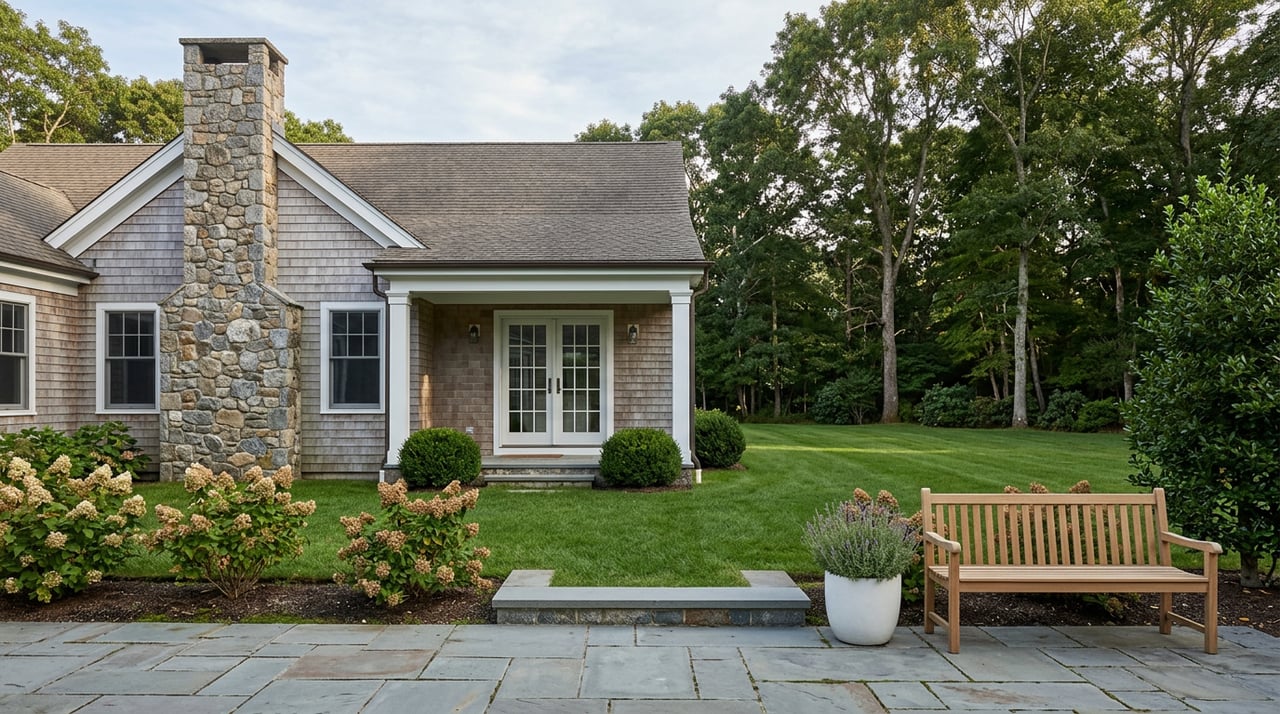
You will find classic center-hall Colonials, expanded Capes, renovated mid-century homes, and newer construction, along with historic homes near village areas. Many move-up properties feature open kitchens, large primary suites, finished lower levels, multi-car garages, and outdoor amenities like patios, pools, and level yards. Parts of town include designated historic districts that help preserve older building stock; you can explore Wilton’s historical context in the town code resources at this ordinance library. If you value timeless New England style with modern updates, you will have strong options here.
Neighborhoods and lifestyle
Wilton Center and Cannondale
These village hubs offer smaller lots, a more walkable feel, and quick access to the Danbury Branch rail stations. You trade acreage for convenience, with cafes, local services, and community events nearby. Buyers who want day-to-day ease and shorter first or last mile trips to the train often start their search here.
South Wilton and Route 7 corridor
As you move south and west, you tend to find larger lots and car-friendly access to Norwalk, Westport, or Stamford. Many residents who prefer faster express trains choose to drive to mainline stations in nearby towns. If a bigger yard and quieter streets are top priorities, this area delivers while keeping coastal amenities within an easy drive.
Schools and town resources
Strong public schools are a key reason many buyers choose Wilton. Review programs, activities, and district news directly through Wilton Public Schools. For municipal services, town projects, and local boards, the official Town of Wilton site is the best place to start.
Parks, trails, and open space
Wilton maintains an impressive network of conservation areas and trails, with popular spots like river corridors and nature preserves. If you want privacy at home plus quick access to hikes and outdoor recreation, Wilton’s open space is a standout. Find community resources and conservation updates through the Town of Wilton.
Commute reality check
Metro-North Danbury Branch
Wilton and Cannondale are on Metro-North’s Danbury Branch, a diesel-operated line with fewer trains and frequent transfers to the New Haven Line for Manhattan access. Typical door-to-door times into Grand Central often range from about 75 to 95 minutes depending on the schedule and transfer point. Review the system map and check current timetables at Metro-North’s rail maps.
Driving and station strategy
Many residents drive to South Norwalk, Westport, or Stamford to catch faster express trains, then return home to larger lots and quieter streets. Wilton sits along the Route 7 corridor and connects to both the Merritt Parkway and I-95 within a short drive, depending on your starting point. For parking, permits, and town logistics, verify details with the Town of Wilton and confirm rail schedules before you set routines.
How to buy bigger while selling
Option 1: Sell with a home-sale contingency
A home-sale contingency protects you if your current home has not sold yet, but some sellers view it as added risk. In competitive price bands, you may need stronger terms, tighter timelines, or other concessions to win. An experienced agent can structure contingency language and kick-out clauses to improve your odds.
Option 2: Buy first with bridge or HELOC funds
If you have significant equity, a bridge loan or HELOC can help you make a non-contingent offer, then pay off that short-term debt once your current home closes. These options have costs and eligibility requirements, so compare programs carefully and ask lenders to explain fees, reserves, and debt-to-income impacts. For a primer on buy-before-you-sell programs and bridge strategies, review Bankrate’s overview.
Option 3: Coordinate simultaneous closings
You can time your sale and purchase to close on the same day, which reduces overlap but requires careful coordination among lenders, attorneys, title, and both sets of buyers and sellers. Clear timelines and well-sequenced documents are critical to keep funds moving. For general closing timelines and what to expect, see this closing guide.
Option 4: Use a short rent-back
A post-closing occupancy or rent-back allows a seller to remain in the home for a set period after closing. This tool helps you close on your purchase without rushing out of your current house the same day. Terms must be negotiated and documented in writing so expectations are clear for everyone.
How your agent reduces stress
Timeline and coordination
Your agent should build a joint plan that covers pre-approval, listing prep, pricing, launch dates, offer windows, inspections, appraisal timing, and target closing dates. A typical financed purchase runs about 30 to 45 days from contract to close, assuming clean title and smooth underwriting. For a refresher on the closing process, review this closing overview.
Off-market access and sourcing
When inventory is tight, your agent’s network matters. Office-exclusive shares, private-owner outreach, builder and contractor relationships, and estate or probate connections can reveal homes before they hit public search sites. Learn how off-market opportunities work and where the pitfalls are in this off-market primer.
Navigating new MLS and compensation rules
Recent industry changes mean buyer representation and compensation are typically set by written agreement rather than by default in MLS fields. Ask your agent to explain how local rules are implemented and how their services are structured. For context on evolving practices, read this overview of buyer agent compensation changes.
A simple 90-day game plan
- Weeks −10 to −6: Get pre-approved, discuss bridge or HELOC options, and define must-haves like acreage, pool potential, and commute targets. Start light decluttering and line up vendors for quick prep work.
- Weeks −6 to −4: Finalize pricing for your current home, schedule photos, and complete priority touch-ups. If buying first, compare terms on bridge or HELOC solutions. Confirm your target list date.
- Weeks −4 to 0: Go live, review offers, and negotiate ideal close and occupancy timelines. As you shop in Wilton, watch new listings daily and ask your agent about private or office-exclusive opportunities.
- Under contract: Complete inspections, appraisal, and loan underwriting. Title and payoff coordination happens in parallel. Most financed purchases close in about 30 to 45 days, and you can negotiate a short rent-back if you need extra time to move.
Quick move-up checklist
- Define your top three priorities: lot size, square footage, commute, or proximity to village amenities.
- Get fully underwritten pre-approval and compare bridge or HELOC terms if you plan to buy first.
- Align your sale and purchase timelines early, and build in contingency dates you can actually meet.
- Ask about off-market options, office exclusives, and private listing channels that fit current rules.
- Verify rail schedules, station parking, and town permits through the MTA and the Town of Wilton.
- Review school information directly with the Wilton Public Schools and confirm any program details that matter to you.
Ready to map your next move with a clear plan and curated Wilton options? Connect with Jennifer Twombly for a targeted strategy that aligns your sale, financing, and neighborhood fit while tapping Compass tools like Concierge and Private Exclusives.
FAQs
How much space do Wilton move-up homes usually offer?
- Many move-up homes range from about 3,000 to 5,000 plus square feet, and the townwide average living area is roughly 3,000 square feet per ATTOM.
What are typical commute times from Wilton to Grand Central?
- Door-to-door times often run about 75 to 95 minutes on the Danbury Branch with a transfer to the New Haven Line; verify schedules using the Metro-North rail maps.
Are there walkable areas near Wilton’s rail stations?
- Yes, Wilton Center and Cannondale offer smaller-lot, village settings near Danbury Branch stations, while larger-acreage areas usually require a short drive to the train.
How do home-sale contingencies affect my offer in Wilton?
- Contingencies protect you but can be viewed as risk; improve your position with tight timelines, strong financials, or consider buy-first tools like bridge or HELOC funding after consulting lenders such as resources in Bankrate’s overview.
What should I expect for closing timelines on a financed purchase?
- Many financed purchases close in about 30 to 45 days from contract to completion, based on typical steps outlined in this closing guide.